You’ve arrived at your pitch, the kettle is calling and all that stands between you and a relaxing evening is setting up. Then you discover the ground is harder than expected, your torch is buried beneath the bedding and there’s nowhere dry to leave muddy shoes. It’s often the little extras, rather than the big purchases, that make camping feel easier.
The right camping accessories depend on how you travel. Tent campers might prioritise sturdy pegs, a comfortable sleeping mat and kit that packs down small. Caravan owners may need levelling equipment and organisers that stop cupboards becoming a jumble. For motorhome travellers, versatile accessories can help make the most of limited living space without adding unnecessary weight.
Whatever your setup, useful gear earns its place by solving a genuine problem. Before buying, ask yourself: will I use this regularly, where will it live, and does it make a familiar task simpler? A compact washing-up bowl you use every day is usually a better investment than an impressive gadget that never leaves its box. Available storage, carrying capacity and your usual camping conditions all matter more than a long list of tempting extras.
This guide will help you build a kit that suits your trips, covering essential gear, straightforward camp cooking, better sleep and everyday comfort. We’ll also explore smart storage, practical gadgets and easily overlooked safety equipment, so you can spend less time hunting for things and more time enjoying being away.
In a Hurry? Jump Straight to Our Product Reviews
Already know what you need? Skip straight to our tested gear & buying guides below ↓
Table of Contents
- What Camping Gear Do You Actually Need?
- Camp Kitchen Accessories for Easy Meals
- Sleeping and Comfort Accessories Worth Packing
- Camping Storage Accessories That Keep Everything Organised
- Camping Gadgets That Earn Their Place
- Safety, Hygiene and Repairs: The Easily Forgotten Essentials
- Build Your Best Camping Accessories Kit, One Trip at a Time
- Related Posts:
What Camping Gear Do You Actually Need?
Start with the basics rather than the gadget aisle. Your must-have camping accessories checklist should cover seven needs: shelter, sleep, food, water, lighting, hygiene and safety. What meets those needs will depend on whether you’re pitching a tent or parking a home on wheels.
For tent campers, pack suitable pegs for the expected ground, a mallet and a compatible footprint or groundsheet that doesn’t extend beyond the tent and collect rainwater. Choose a sleeping bag with a comfort rating suited to likely overnight temperatures, plus an insulating sleeping mat. Even a warm bag can feel chilly without insulation underneath.
For caravans and motorhomes, check whether you need suitable levelling ramps or blocks, alongside wheel chocks to help prevent movement. Pack a drinking-water-safe hose with the right connectors, appropriate wastewater collection and disposal equipment, and, if using campsite electricity, the correct purpose-designed electrical hook-up lead.
Round out either setup with shared essentials:
- Food and water: basic cooking equipment, food, drinking water and refillable bottles.
- Lighting: a head torch for each person, with spare batteries or a reliable charging option.
- Hygiene: soap, toilet essentials where needed, a towel and rubbish bags.
- Protection and safety: waterproof layers, sun protection, personal medication and a first-aid kit.
Adjust the list before every departure. Colder seasons demand warmer bedding and clothing; longer trips need a workable resupply plan. Campsite kitchens, drinking-water points and washrooms may reduce what you carry. Finally, check storage space and your vehicle’s available payload, including water, passengers and luggage. Essential gear still needs to fit safely.
Camp Kitchen Accessories for Easy Meals
A simple camp kitchen makes mealtimes easier without filling every cupboard or storage box. Start with a stable camping stove and the fuel specified by its manufacturer. Add compact cookware, a heat-resistant spoon or spatula, a chopping board, a safely stored knife, and reusable plates, mugs and cutlery. Plan around meals you actually cook: one saucepan and a frying pan may be enough.
Choose food cooling to suit your trip, the expected temperature and your power supply:
- Cool box: useful for short stays when you can replenish ice or frozen packs. Performance depends on insulation, opening frequency and outdoor temperatures.
- Powered cooler: convenient with reliable electricity, but check the cooling technology. Many thermoelectric models only cool by a limited amount below ambient temperature, making them less suitable for perishables in hot weather.
- Camping fridge: a compressor model offers more consistent temperature control for longer trips, provided your power supply can support it.
Keep chilled perishables at 5°C or below, checking with a fridge thermometer rather than guessing.
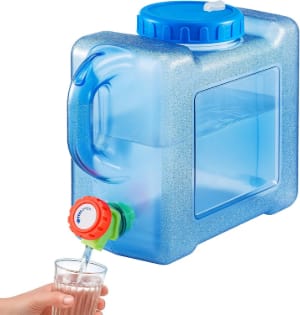
Stackable food containers help prevent spills and wasted space. A collapsible washing-up bowl, food-safe water carrier and washable table covering make preparation and cleaning simpler, especially when campsite facilities are basic.
Treat a coffee maker, portable barbecue or extra preparation table as upgrades, not automatic essentials. Pack them if they suit your cooking habits and available space.
Never use portable fuel-burning stoves or barbecues inside tents or enclosed living spaces, including awnings. Cook outdoors, well away from combustible materials, and leave cooling barbecues outside. Check campsite fire restrictions before lighting any flame.
Sleeping and Comfort Accessories Worth Packing
A good night’s sleep starts with the right bedding, not a bagful of novelty extras. For tent camping, choose a sleeping bag with a comfort rating suited to the lowest temperatures you expect, rather than relying on its extreme rating. Pair it with an insulating sleeping mat: cushioning feels pleasant, but insulation helps prevent heat loss to the ground. A supportive pillow, whether compact or brought from home, can make a noticeable difference too.
In caravans and motorhomes, breathable bedding and well-fitting sheets help make beds comfortable without adding unnecessary bulk. A mattress topper may improve a firm sleeping surface, but measure carefully before buying. Shaped corners, narrow doubles and split mattresses often need specialist sizes, and extra thickness can affect storage or folding mechanisms.
For relaxing outside, compare folding chairs by seat support, ease of getting up and stability on uneven pitches. Check their packed dimensions and weight as well. Compact tables should feel steady under plates and drinks, with enough surface space for your needs without dominating the pitch.
Shade, insect screens and a suitable awning can turn the space outside your tent or vehicle into a more usable living area. Check compatibility, pitching requirements and wind limits before choosing, and secure everything according to the manufacturer’s instructions.
Smaller comforts are personal choices. Earplugs and an eye mask may help on bright, busy campsites; a picnic blanket creates a relaxed sitting spot; slip-on shoes simplify trips outside. Pack what genuinely improves your stay, rather than treating every comfort accessory as essential.
Camping Storage Accessories That Keep Everything Organised
A tidy camping setup means less rummaging for the tin opener and fewer muddy footprints across your bedding. Start with stackable boxes for cooking equipment, packing cubes for clothing, and zipped pouches for cables, tools and small spares. Clear labels help everyone find things and put them back. Check that loaded boxes will fit through doors and beneath seats, not just inside the storage space.
In caravans and motorhomes, hanging organisers can keep lightweight everyday items within reach. Cupboard dividers stop contents becoming a jumble, while non-slip shelf liners reduce sliding and rattling. Measure carefully before buying, and choose fixing methods suited to the surface and expected load. Avoid drilling without checking what sits behind the panel, and remember that shelf liners do not secure loose items for travel.
For smaller tents and vehicles, collapsible containers and nesting cookware save useful space. Look beyond the folded dimensions, though: sturdy handles, reliable lids and materials that tolerate repeated use matter just as much. A slightly bulkier container that lasts is often the better choice.
Give everything a simple home. Keep wet gear separate from dry bedding, place muddy footwear in a washable tray, and store food in closed containers. Keep torches and waterproofs accessible, with exits and walkways clear.
Pack heavy items low and secure them against movement during travel. In a caravan, concentrate heavier loads near the axle rather than at either end, while respecting noseweight limits. For both caravans and motorhomes, keep the fully loaded setup within its payload, axle and overall weight limits. Well-organised storage should make travelling safer, not simply tidier.
Camping Gadgets That Earn Their Place
The best camping gadgets solve a problem without creating three more things to charge. Rechargeable head torches leave your hands free for pitching or finding the toilet block, while dimmable lanterns provide gentle evening light. A power bank keeps phones topped up, and a compact weather radio can provide local forecasts and alerts where broadcasts are available, especially when mobile reception is patchy.
Before buying a portable power station, list the devices it needs to run. Compare usable capacity in watt-hours, allowing for conversion losses, rather than relying on the headline figure alone. Check continuous output and startup limits against your appliances: charging a phone is very different from running a kettle. Weight matters too, particularly when carrying it across a campsite or managing vehicle payload.
Portable solar panels can replenish batteries, but treat them as weather-dependent support rather than guaranteed power. Check connector, voltage and charge-controller compatibility. Position panels in unobstructed sunlight, adjust their angle where practical and expect output below the advertised maximum, especially in cloud or shade.
Optional extras should earn their space. A rechargeable fan may help on hot nights; a tyre inflator must suit your vehicle’s tyre pressures and have an adequate duty cycle. Digital levelling aids can simplify pitching a caravan or motorhome, although a basic spirit level may be enough.
Before paying, check durability, weather resistance, realistic battery life and charging connections. Can it share your existing cables? Is it easy to use in the dark? Finally, ask whether a simpler, non-powered alternative would do the job just as well.
Safety, Hygiene and Repairs: The Easily Forgotten Essentials
A small safety and repair kit may not be exciting to pack, but it earns its space when a zip fails or someone scrapes a knee. Keep first-aid supplies, personal medication, repair tape, spare buckles or other suitable fastenings, and tools matched to your setup together in an accessible pouch. Check expiry dates and replace used items before each trip. Leave gas and electrical repairs to qualified professionals.
For caravans and motorhomes, fit suitable smoke and carbon monoxide alarms, test them regularly and replace batteries or units as instructed. Carry the fire-safety equipment recommended for your vehicle, such as an appropriate extinguisher and fire blanket, and learn how to use it. Keep exits clear: if fire breaks out, getting everyone safely outside comes first.
Treat campsite electricity with care. Use a purpose-designed outdoor hook-up lead and equipment suitable for the conditions, follow site and manufacturer instructions, and never improvise connections. Inspect cables for damage, fully unwind cable reels before use and keep connections away from standing water. Stay within the pitch’s supply limit.
For everyday hygiene, pack soap, a water supply for handwashing and quick-drying towels. Add toilet paper, sanitary supplies and compatible toilet products if your setup needs them. Bag rubbish securely, and empty wastewater and toilet waste only at designated disposal points.
Before leaving, check the forecast and campsite rules, download offline maps and save emergency contacts somewhere accessible without a signal. Test essential equipment at home, including lights, alarms and water systems. Finding a fault on the driveway is much easier than discovering it after dark at your pitch.
Build Your Best Camping Accessories Kit, One Trip at a Time
Building a useful camping kit does not mean buying everything at once. Start with safety equipment and everyday essentials: reliable shelter, suitable bedding, drinking-water supplies, lighting and a practical way to prepare meals. Once those basics work well, add comfort upgrades that address something you actually notice, such as an uncomfortable chair or a chilly sleeping mat. Optional gadgets can come last.
Before committing to unfamiliar equipment, see whether you can borrow or hire it. A weekend with a portable fridge or larger awning can reveal whether it earns its space. When buying, favour durable materials, replaceable parts and straightforward repairs where practical. A product that survives years of regular use is often better value than one with a long list of features.
Keep separate packing checklists for tent camping, caravanning and motorhome travel if you switch between them. Each setup has different requirements, and seasonal additions deserve their own reminders. Summer shade, extra cold-weather insulation and wet-weather clothing should reflect the forecast and destination, not stay permanently packed by habit.
After each trip, take five minutes to review your kit. Note what was missing, what worked particularly well and what never left its storage box. Keep emergency equipment even if it went unused, but reconsider bulky extras that repeatedly stayed packed.
Your kit will become more useful as you learn what suits your space, routines and favourite places. The clear takeaway: buy for the trips you actually take. The best camping accessories make those trips easier, safer and more enjoyable.
Related Posts:
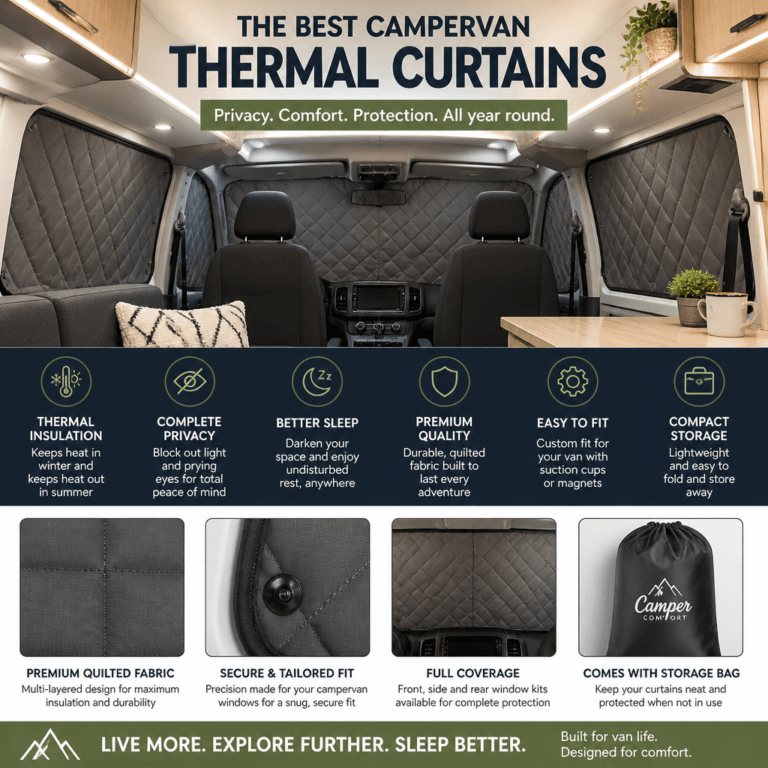
Best Campervan Thermal Curtains for UK Trips
Find the best campervan thermal curtains for warmer nights, better privacy and less condensation, with practical advice on fit, materials and everyday use.
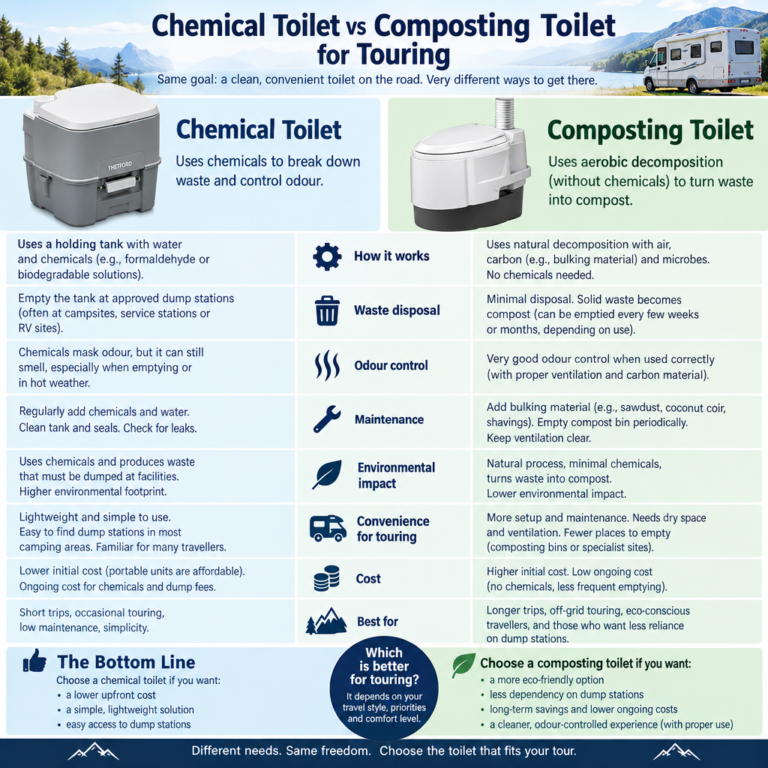
Chemical Toilet vs Composting Toilet for Touring
Compare a chemical toilet vs composting toilet for caravans, motorhomes and campervans. See costs, emptying, power and real touring needs before you buy.
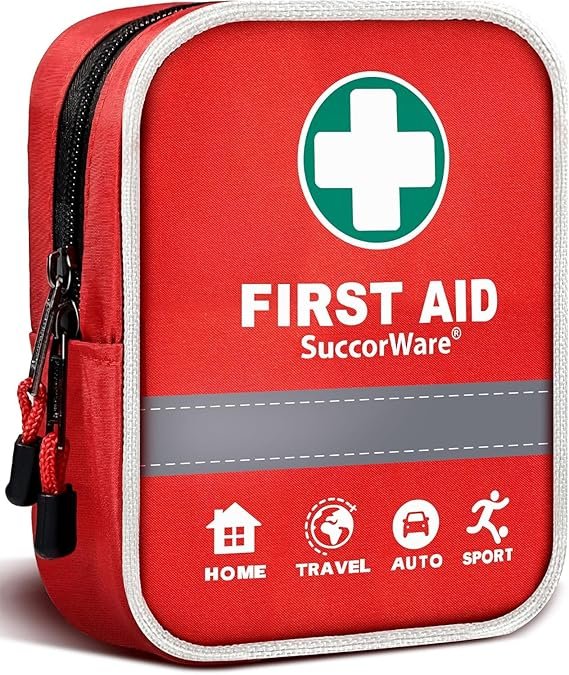
Camping First Aid Kit
Stay safe outdoors with our compact camping first aid kit, packed with 130 hospital‑grade supplies for hiking, travel, and emergency preparedness.
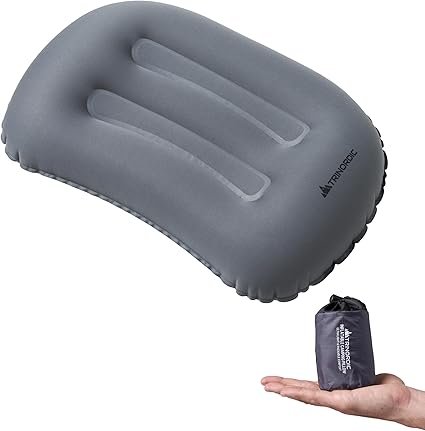
Inflatable Camping Pillow
Discover our inflatable camping pillow: ultra-soft, compact and durable, delivering ergonomic support and restful sleep on every outdoor adventure.
Black Yellow Tool Storage Solution
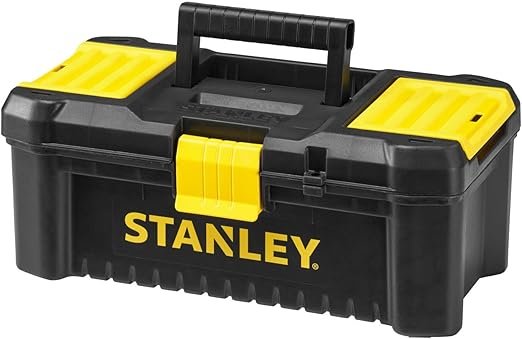
Discover the Stanley Black & Yellow Tool Storage Box – a durable, versatile and organised tool solution for professionals and DIY enthusiasts alike.
Best TV Headrest Brackets for Motorhomes
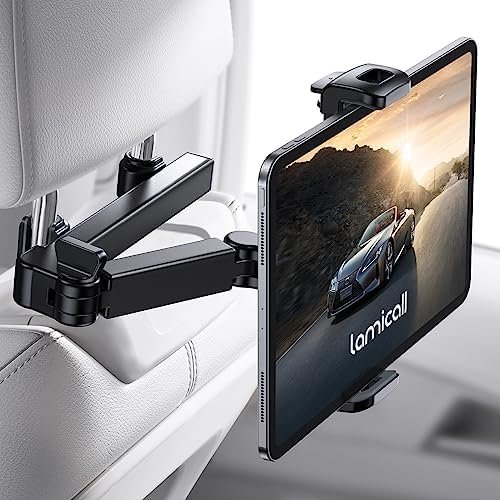
Discover how to choose and install the ideal campervan TV headrest bracket, covering size, weight, VESA standards and secure, adjustable features.
Fold Down Wall Shelf With Brackets
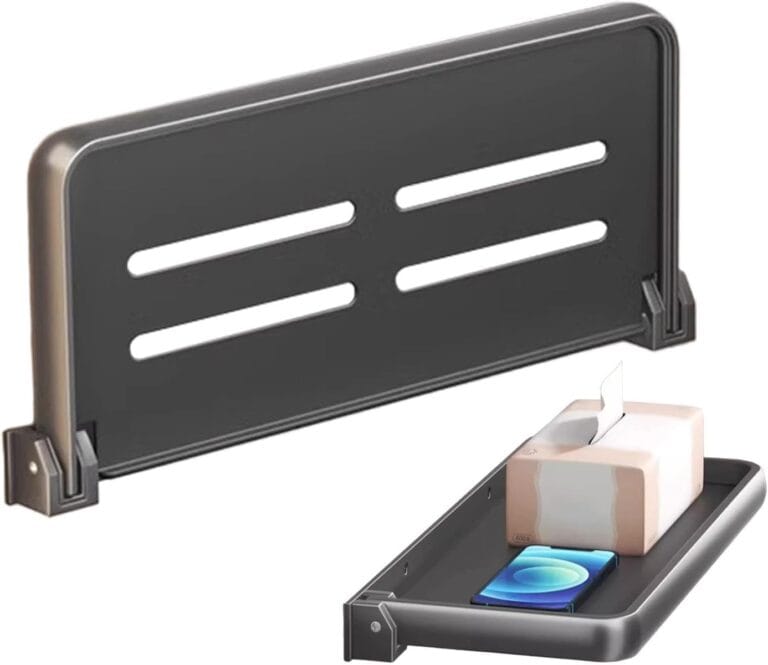
Discover how aluminium fold down wall shelves maximise caravan and motorhome storage with lightweight, durable, space-saving design and easy installation.
Window Mounted Cup Holder Caravan Motorhome
Discover window mounted cup holders for caravans and motorhomes – space‑saving, secure drink storage that boosts comfort and convenience on the road.
Adjustable iPad Tablet Desktop Stand Holder
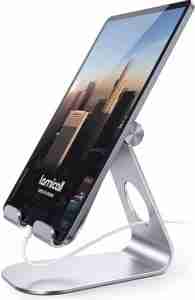
Discover the Lamicall Adjustable iPad Tablet Desktop Stand – a sturdy, ergonomic, multi-angle tablet holder ideal for home, office, or van life.
Under Mattress Mat Stops Condensation Damp Mildew
Keep your mattress fresh and hygienic with DRY-Mat, the easy-fit, machine washable underlay that stops mould, odours and condensation.
Carpet Runners For Caravans
Discover how caravan carpet runners, anti-slip mats and Easybind trims boost safety, protect floors and add a durable, stylish finish to your van.
5 Litre Water Carrier with Tap, Easy Pouring
Discover the 5 litre BPA-free water carrier container with tap, offering safe, leak-proof drinking water storage for home, camping and outdoor use.
Foam 8 Bottle Holder
Discover how foam 8 bottle holders keep drinks safe, organised and insulated in caravans and motorhomes, even on bumpy road trips.
Folding Door Coat Hook
Discover how foldable hanger hooks and folding towel racks maximise caravan and motorhome storage, saving space while keeping small interiors tidy.
Hanging Dehumidifier Bags for Wardrobes
Nyxi hanging dehumidifier bags absorb excess moisture, prevent mould and musty odours, and protect clothes, leather and furnishings for up to 60 days.
Aquaroll Hitchman Economy 40L Water Carrier
Discover the Aquaroll Hitchman Economy 40L roll along water carrier – a durable, portable solution for easy water transport when camping or caravanning.