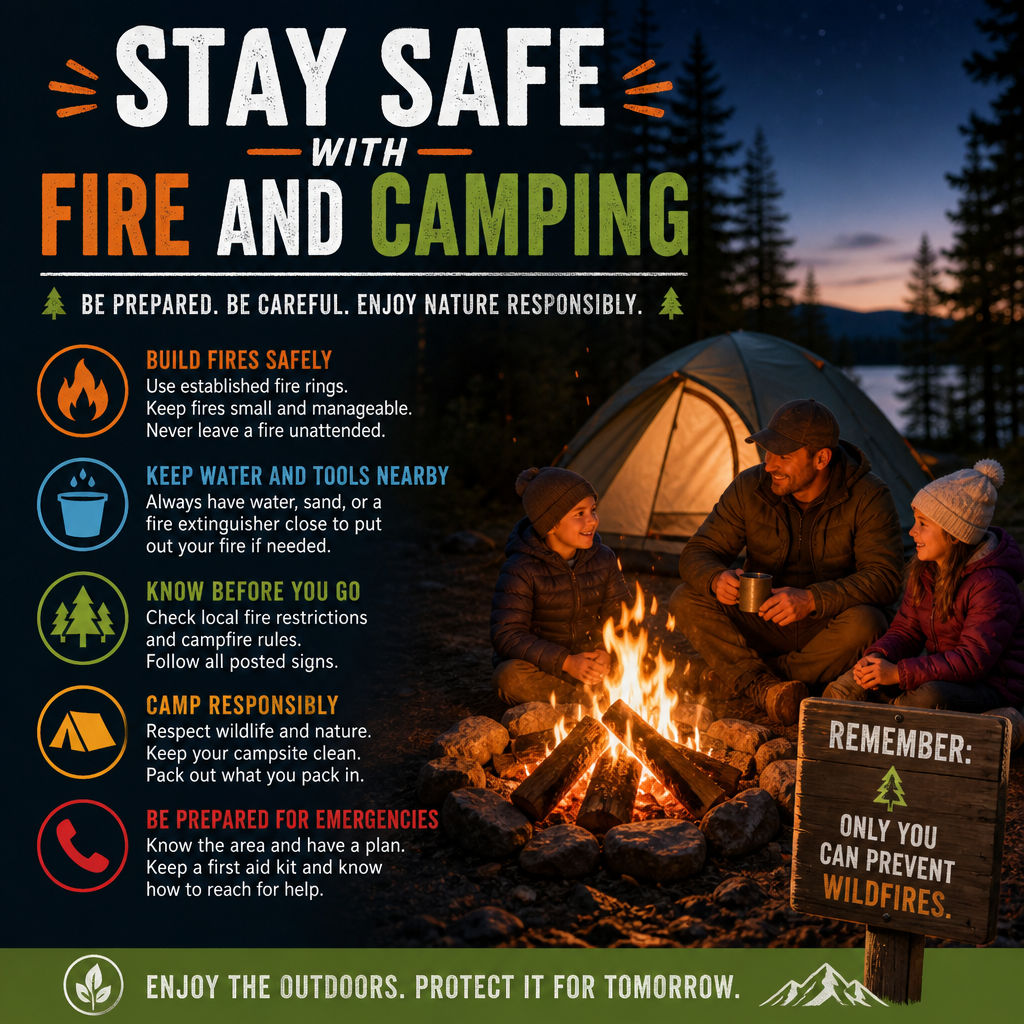
There is something magical about a real flame at the end of a touring day. You park up, put the kettle on, then drift outside to sit under the stars while a fire crackles away. Whether you travel by caravan, campervan or motorhome, a campfire can turn a quiet stop into a cosy little moment that feels like home.
That warmth and glow comes with responsibility though. Your pride and joy is a compact box packed with gas, electrics, soft furnishings and limited exits. The good news: you do not have to give up fires to stay safe. You just need some sensible planning, a few bits of kit, and a clear idea of when to enjoy the flames and when to put them out.
This guide is all about that balance. We will look at fire safety from three angles: prevention, quick response and playing by the rules. You will see how to cut common risks inside your van, how to enjoy campfires and fire pits without fear, and how to react calmly if something does go wrong.
Along the way we will cover the essentials every tourer should carry, including fire blankets, fire extinguishers and simple alarms. We will talk through indoor and outdoor fire safety, choosing and positioning fire pits, and easy routines that work just as well for tiny campervans as for big motorhomes and twin axle caravans.
By the end, you will have a simple plan so your next trip can include both freedom and flames, with your rolling home and everyone in it kept safe.
Know your home on wheels: common fire risks in caravans and motorhomes
Caravans, campervans and motorhomes pack a lot into a very small space, which is part of the charm. It also means a small fire can spread very quickly if you are not prepared.
Typical built in hazards start with gas cookers, heaters and fridges. Any flame or hot surface close to curtains, tea towels, paper or upholstery is a risk, especially if a pan boils over or a grill is left on. Heaters and fridge vents can also overheat if they are blocked by kit or awning skirts. Add in electrical hook ups, chargers and batteries, and you have several possible ignition sources in just a few metres.
Compact interiors increase the danger. Soft furnishings are close together, many bodies are sleeping in tight spaces, and escape routes are narrow. Plastic interiors and lightweight panels can burn and give off dense smoke very fast.
Electrics deserve special attention: overloaded sockets, daisy chained multi plugs, cheap adapters, damaged cables, tired leisure batteries and DIY wiring around inverters are all common causes of overheating and fire.
Gas brings its own risks. Leaks from cylinders, perished flexible hoses, loose regulators or poorly ventilated appliances can lead to both fire and explosion. A slight smell of gas, hissing or frost on fittings are all red flags.
Other hazards include candles, smoking inside, portable heaters too close to bedding, and storing petrol, diesel or gas canisters in living areas.
Before your next trip, walk through your van slowly, inside and out, and make a note of every potential fire risk you can spot. Then decide what you can move, improve or replace.

FireAngel SB1-R Optical, Battery Powered Smoke/Detector Alarm for Home

Premium FSS UK 500 g ABC Powder Fire Extinguisher & 1m x 1m Fire Blanket. Ideal for Home Kitchen Caravans Boats Restaurants Workshops and Offices

FireAngel SB1-R Optical, Battery Powered Smoke/Detector Alarm for Home

FireShield Home Safety Pack, 1kg Dry Powder Fire Extinguisher & 1m x 1m Soft Case Fire Blanket
Essential fire safety kit: what every tourer should carry
Fire safety kit is a bit like seatbelts: you hope you never need it, but you will be glad it is there. At a minimum, every caravan, campervan and motorhome should have a working smoke alarm, a carbon monoxide alarm, a fire blanket, at least one suitable fire extinguisher and a basic first aid kit.
For extinguishers, the main types you will see are:
- Dry powder: very versatile, works on most fires including fuel and electrical, but can be messy inside a small van.
- Foam: good for soft furnishings and liquid fires, not for electrical unless clearly marked.
- Water mist: kind to interiors, effective on many everyday fires, and usually safe around electrics if specified.
Many tourers choose a compact dry powder or water mist unit. As a rough guide, a 1 kg or 1 litre extinguisher suits most caravans and campervans, with a second unit or a larger one in bigger motorhomes. Mount one by the main door, and another near the kitchen if space allows, so you can grab them on the way out, not reach over a fire.
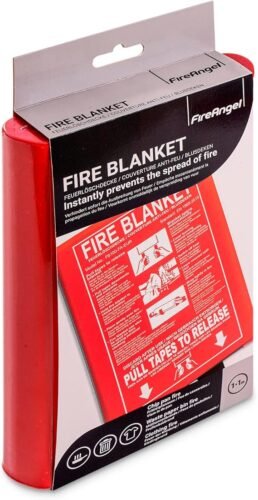
A fire blanket is a folded sheet of fire resistant material in a wall pouch. Mount it close to the hob, away from the direct heat. It is perfect for pan fires and clothing fires because it smothers flames without spraying anything.
Useful extras include heat resistant gloves, a small fireproof document pouch for passports and papers, and a torch or headlamp hung by the door.
Once a month, press alarm test buttons, check extinguisher pressure gauges and expiry dates, and replace any tired batteries. Little checks, done regularly, make a big difference.
Using fire blankets and fire extinguishers confidently
In a caravan, campervan or motorhome, your first choice for many small fires is the fire blanket, not the fire extinguisher. Use a blanket for pan fires on the hob, grill flare ups and clothing fires. Use an extinguisher for larger fires on fittings, wiring, upholstery or if a small flame is starting to spread along a surface.
For a fire blanket, remember: off, cover, leave.
• Off: if you can safely reach it, turn off gas or electricity to the hob or appliance.
• Cover: holding the blanket by the tabs, wrap the top edge over your hands and forearms, then gently place it over the fire, starting from your side and moving away from you. Do not throw it.
• Leave: once covered, do not peek underneath. Leave it in place, ventilator off, and be ready to evacuate if there is any doubt.
For extinguishers, think PASS:
• Pull the pin
• Aim at the base of the fire
• Squeeze the handle
• Sweep side to side
Stand several steps back so you can still retreat. Inside a van, smoke can fill the space in seconds, especially from plastics and upholstery. If you cannot see clearly, if the fire is taller than you, or if it keeps growing after one attempt, get everyone out, close doors behind you and call for help.
The golden rule is simple: people first, possessions later. Never fight a fire if you feel unsure or trapped. Before touring season, try a training session locally, or at least watch clear demonstration videos so using your fire blanket and fire extinguishers feels natural rather than frightening.
Cosy campfires and fire pits: enjoying flames without fear
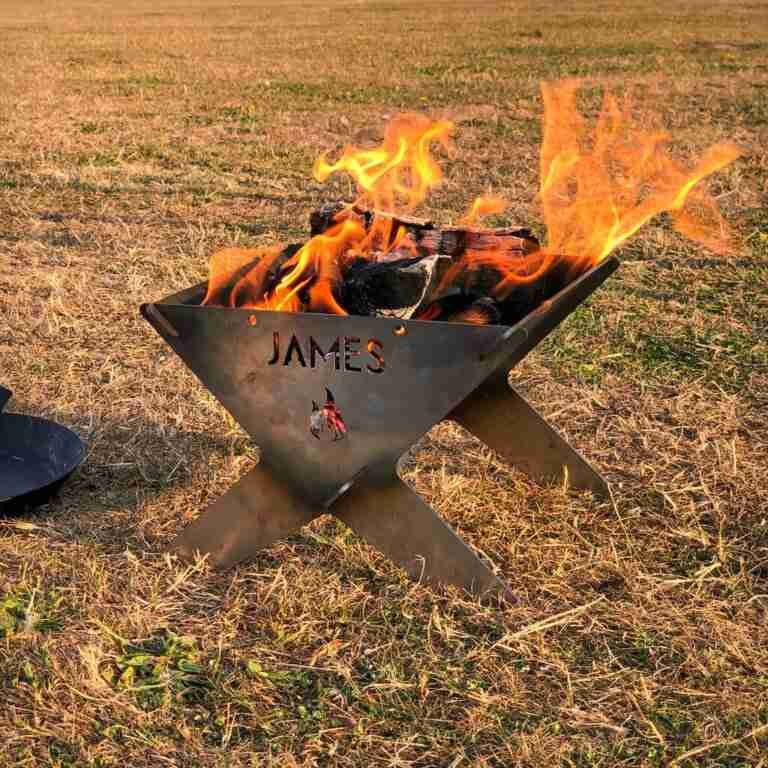
Campfires feel like the heart of an evening on tour, but how you build and contain them makes all the difference. An open fire on the ground can easily spread into dry grass, damage pitches and upset site owners. A proper fire pit keeps flames contained and raised off the ground, helps control sparks and is usually much more campsite friendly.
When choosing a fire pit for caravans, campervans and motorhomes, look for a wide, stable base that will not topple if someone bumps it. A spark guard or mesh lid is a big plus, especially around awnings and kids. Foldable or compact models are ideal for touring, and a design with legs or a heat shield helps protect grass so you stay on the warden’s good side.
Fuel choice matters. Use seasoned hardwood, manufactured logs or charcoal. Avoid treated or painted wood, pallets, driftwood, and never burn rubbish, plastics or food waste. They smoke heavily, can spit dangerously and release nasty fumes.
A few simple fire safety habits keep things relaxed. Clear a metre or more of dry grass and clutter around your fire pit. Keep children and pets closely supervised. Never leave a fire unattended, even for “just a minute”. Position the pit well away from caravans, campervans, motorhomes and awnings, and on the upwind side so sparks and smoke blow away from fabric and neighbours.
Before bed, fully extinguish your fire. Spread the embers, douse with plenty of water, stir the ash and check with the back of your hand from a safe distance. If there is any remaining heat, cool it again until everything is cold to the touch.
Indoor heat: cooking, heaters and safe layouts inside your van
Inside the van, the same cosy warmth needs a bit more thought. Start with cooking. In a compact galley, never leave pans unattended, even “just for a minute”. Turn pan handles inward so you cannot catch them as you squeeze past, and keep tea towels, kitchen roll, plastic utensils and food packaging well away from hobs and grill fronts. A small splatter guard and a clear worktop make a big difference.
Avoid using gas hobs or ovens for space heating. They are not designed to run with the door open or on low flame for hours, which increases the risk of flames going out, fumes building up and nearby surfaces overheating. This is not only a fire safety issue, it also raises the risk of carbon monoxide in a small, tightly sealed space.
For dedicated heaters, whether diesel, gas or electric, think about what could fall against them. Position them so curtains, bedding, dog beds and clothes lines cannot droop over hot vents. Use guards if needed, and never dry clothes directly on a heater.
Good ventilation is essential for any fuel burning appliance, even when it feels chilly. Keep fixed vents clear and avoid blocking gaps with cushions, storage bags or insulation panels.
Do a quick layout check each evening. Can everyone reach the main door and at least one window easily? Are shoes, cables and bags off the floor where you walk at night?
Finally, make sure you have both smoke and carbon monoxide alarms fitted, test them regularly and replace batteries and units when recommended.
Campground rules, wild camping and being a good neighbour
Many campsites love a bit of atmosphere round a flame, but they also have to think about fire spread, insurance and local regulations. That is why you will often find clear rules on fire pits, barbecues and open flames. Some sites only allow raised fire pits, some insist on heatproof mats, and more are banning disposable barbecues because they scorch grass and are easily knocked over.
Before you strike a match, check the site’s policy. Look at the booking info, reception noticeboard or campsite app. Typical rules cover where fires can go, what fuel is allowed, and quiet times when flames and chatter should be winding down.
If you are wild camping or stopping off grid, you are the fire warden. Take a minute to assess the area: dry grass or heather, overhanging trees, hedges, wooden fences and nearby buildings all increase risk. Add wind into the mix and sparks can travel a long way. In droughts or woodland there may be legal bans on any open fire, so check local guidance and err on the side of caution.
Good neighbourliness matters too. Think about where your smoke will blow, how close you are to the next awning, and how late the conversation and guitar will go. A bit of distance between your fire pit and their guy ropes keeps everyone relaxed.
When you are sitting outside, keep fire extinguishers and fire blankets where you can grab them from the pitch. If something does go wrong, you do not want to fight your way back inside the van to reach your fire safety kit.
Simple routines that keep every trip safe and relaxing
Simple habits make the biggest difference. Building a few fire safety routines into every trip keeps things relaxed without feeling like hard work.
Before you roll out of the drive, run a quick pre trip checklist. Test smoke and carbon monoxide alarms. Inspect gas hoses and regulators for cracks, kinks or loose connections. Check your fire extinguishers are in date, properly pressurised and easy to reach. Make sure fire blankets are mounted where you expect them to be and that exits, including emergency windows, are not buried under bags or bedding.
When you arrive on site, take two minutes to orient yourself. Note the nearest water point and the main site exit. Agree a simple meeting spot if you ever have to leave the caravan, campervan or motorhome in a hurry. Show everyone where the fire extinguishers and fire blankets live, both inside and outside.
Before bed, do a last safety sweep. Fully extinguish fire pits and barbecues, then check they are cool, not just “looking out.” Turn off non essential appliances and, if your setup and manufacturer guidance allow, close the gas at the bottle. Clear walkways so nobody trips if they have to get out in the dark.
Bring the whole family into the routine. Even young children can learn “shout, out, stay out” and where the meeting point is.


The heart of it is simple: a bit of preparation, the right fire safety gear and respect for flames mean you can enjoy your nights outside without nagging worry. Before your next adventure, take five minutes to check your fire blankets and fire extinguishers, then head off knowing you are ready for both fire, flames and freedom.