Gas is one of those unglamorous bits of touring life that quietly makes everything work. You really notice it only when it runs out on a cold, wet evening just as you put the kettle on.
In caravans, campervans, motorhomes and RVs, gas usually does a lot of heavy lifting. It cooks your meals, powers many heaters and hot water systems, keeps absorption fridges chilly when you are off grid, and in some rigs even feeds a generator. For anyone who likes a hot shower, a warm van and a proper cuppa, understanding your gas setup is as important as knowing where the toilet cassette lives.
Most touring owners rely on one, or a mix, of three main options: traditional exchangeable bottles and canisters that you swap when empty, refillable LPG cylinders or underslung tanks that you top up at fuel station pumps, and external hook up solutions such as RV extend a stay kits that let you plug in extra cylinders when you need them.
This guide walks through all three, helping you choose what suits your style of travel, your budget and the places you roam, from weekends in the UK to long tours across Europe and beyond.
If you are new to all this, do not worry. Modern gas systems are very safe when installed and maintained properly. A bit of basic knowledge and a few good habits are all you need to use gas confidently on the road.
Table of Contents
- Gas Basics: Types, Terms and Safety
- Links to Related Pages:
- Traditional Gas Bottles and Canisters
- Refillable LPG Tanks and Cylinders for Campervans and Motorhomes
- Using LPG Abroad: Adapters, Availability and Local Rules
- Extending Your Supply: RV Extend‑A‑Stay and External Hook Up Kits
- Choosing the Right Gas Solution for Your Van or RV
- Practical Tips, Checks and Good Habits
- Wrapping Up: Confident and Comfortable Gas Use on Tour
- RV Extend a Stay Propane Kit Guide
- RV Extend a Stay Propane Tee Kit with Hoses
- Refillable LPG Gas Bottles for Motorhomes
- Gas Bottle Refillable LPG Tank 11 kg 27 Litres
Gas Basics: Types, Terms and Safety
Gas in leisure vehicles is usually one of three types. Propane is the all rounder in the UK and colder climates. It works well in low temperatures, so it is the usual choice for heating, cooking and all year touring. Butane is often found in smaller blue bottles or cartridge systems. It performs poorly in the cold, so it is more common for summer camping and portable stoves. Autogas LPG is a road fuel mix of propane and butane that you buy at forecourt LPG pumps. It is what refillable cylinders and underslung tanks use.
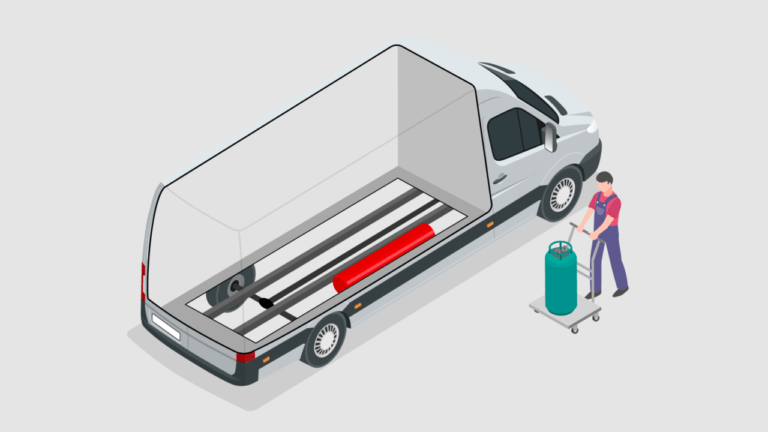
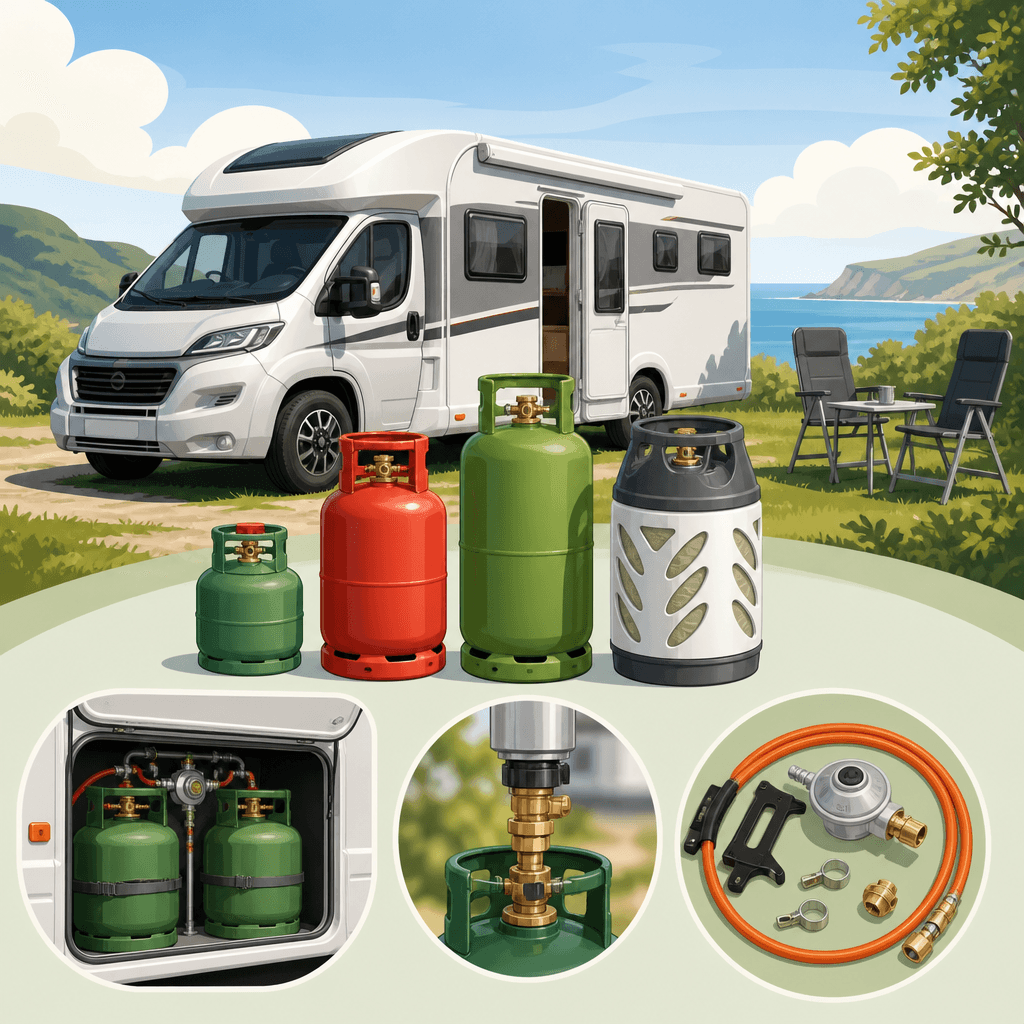
Storage comes in several flavours. Traditional steel bottles and small canisters sit in a dedicated gas locker with vents at the bottom. Refillable LPG systems use purpose made cylinders or underslung tanks with a fixed filling point. Built in lockers are designed to keep bottles upright and secure, and to vent any leaking gas safely outside.
Key fittings include bulkhead regulators mounted on the locker wall, bottle top regulators that screw directly to the cylinder, and high pressure pigtails and hoses that link bottle to regulator. Country specific adapters let you connect local bottles or fill points abroad.
Safety basics are simple. Keep vents clear, check for leaks with soapy water, know the smell of gas, and turn bottles off when travelling or not in use. Always carry a working CO detector and have your system professionally inspected at regular intervals.
Traditional Gas Bottles and Canisters
For many caravan and motorhome owners, traditional exchange bottles are where gas life starts. You pay a deposit or rental for a cylinder, then simply swap empty for full at fuel stations, campsites, DIY sheds and local gas depots. Hand the bottle over the counter, get a full one back, reconnect, light the hob and put the kettle on. It is familiar, practical and works well for most UK based touring.
There are clear advantages. The system is easy to understand, the initial outlay is relatively low, and replacements are widely available within the same country. If a bottle runs out mid curry, swapping to a spare is usually a two minute job.
The downsides appear over time. Gas is typically more expensive per kilogram than pump‑price LPG, and you may be paying for ongoing bottle rental or have money tied up in deposits. You also need space and payload for a second cylinder, and there is the minor headache of different brands, sizes and colours.
Practical details matter. Bottles must fit properly into the gas locker, be secured with straps or brackets, and be counted in your payload. For winter touring, propane is the better choice, as butane can struggle to vaporise in cold weather. If you cross borders in Europe, expect different bottle dimensions and connector standards, which can make swaps or refills awkward without local bottles and the right adapters.
Refillable LPG Tanks and Cylinders for Campervans and Motorhomes
Refillable LPG systems take away the constant swap‑a‑bottle routine. Instead of trading empties for full cylinders, you keep the same tank or cylinder on board and refill it at LPG pumps, just like a car filling with fuel.
A typical setup has a refillable cylinder in your existing locker or an underslung tank bolted to the chassis. Both feed your van’s gas system through a regulator, using high pressure hoses or pigtails. Filling is done through an external point mounted in the bodywork or inside the locker with an external cap. Inside the tank is a multivalve that includes safety features, most importantly an automatic 80 percent cut off so there is always space for gas to expand.
The big attractions are lower running costs per litre, no rental on bottles, and the freedom to top up little and often. With the right set of country adapters, the same system works across much of Europe wherever autogas is sold, and you can fill without wrestling bottles in and out of lockers. A decent size tank or pair of refillable cylinders makes long off grid stays far easier.
On the flip side, you are looking at a higher initial outlay and professional installation. You also depend on LPG remaining available on your usual routes, and some fuel chains are reducing autogas. Many owners start with internal refillable cylinders, while others choose underslung tanks to free valuable locker space.
Using LPG Abroad: Adapters, Availability and Local Rules
LPG is widely available across much of Europe, but the connector on the pump often differs from country to country. If you use a refillable cylinder or underslung tank, you will need a small set of screw‑on adapters so your fixed filling point can mate with local nozzles.
The main standards you will come across are: ACME screw (common in parts of Germany and Eastern Europe), Dish (France, Italy and others), Bayonet (used in the UK, parts of the Netherlands and elsewhere) and Euronozzle (appearing in Spain and a few other regions). A complete adapter kit is inexpensive and usually lives in the gas locker next to the fill point.
LPG may be labelled as GPL, GLP, Autogas or simply LPG. You will find it at many fuel stations and motorway services, plus some standalone LPG depots and bottle suppliers.
Rules vary. Some countries insist staff operate the pump. A few tunnels, underground car parks and ferries restrict LPG vehicles, and the odd supplier may ask to see tank certification. Check local guidance before you travel.
For planning, use LPG location apps and crowd‑sourced websites, top up before entering areas with patchy supply, and in cold weather always keep a comfortable reserve for heating so a sudden cold snap does not catch you out.
Extending Your Supply: RV Extend‑A‑Stay and External Hook Up Kits
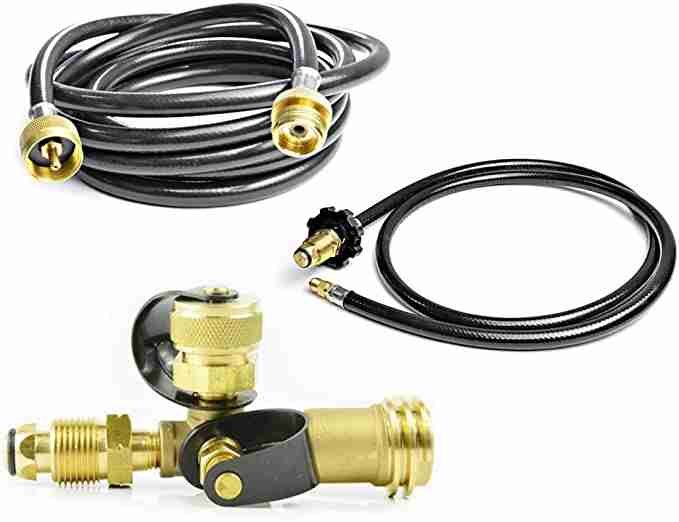
An extend a stay kit, often called an external gas hook up, is a simple idea. A high pressure tee is added into your existing gas feed, normally between the cylinder and the regulator, so you can plug in an extra external bottle to supply your caravan or motorhome without changing the rest of the system.
People use these kits in a few common ways. On winter seasonal pitches you can stand a big static cylinder beside the van and feed the onboard system for weeks. On long off grid stays you might connect an extra bottle under an awning as extra capacity. They are also handy as an emergency backup if your main cylinder or refillable tank fails or runs dry far from an LPG pump.
A typical kit includes a high pressure tee piece, one or more hoses with the right cylinder connectors, shut off valves and sometimes a quick release coupling for easy connection and disconnection.
The benefits are appealing: no need to move the whole vehicle just to refill, the option to use locally available cylinders abroad, and less weight carried in your lockers on travel days.
Safety is critical. Pressures and regulators must be compatible, external bottles must be upright and well secured, hoses routed and protected from chafing or heat, and all parts must be certified and installed by a competent person.
Choosing the Right Gas Solution for Your Van or RV
Choosing a gas setup is about matching your system to how you actually use your caravan, campervan or motorhome. Think about four things: how often you tour, which countries you visit, how much time you spend off grid, and what you can afford both upfront and over the long term.
For many weekend caravanners and school‑holiday trips close to home, simple exchange bottles work well. They are cheap to start with, easy to understand and widely available in the UK and most home markets.
If you tour for months at a time or hop across borders regularly, a refillable LPG system usually pays for itself. Fuel is cheaper per litre, you can top up little and often, and you are not hunting for a specific bottle brand when you run low.
Seasonal pitch users often gain most from an extend a stay style kit feeding a large external cylinder. The van stays parked, you swap or refill the big bottle and keep locker space for other kit.
Weight matters too. Underslung tanks keep gas weight low down and free space inside, which is why converters love them. Two big steel bottles can eat into payload on smaller campervans and even nudge some outfits toward licence weight limits.
Mixed setups are common and sensible: a refillable cylinder plus a standard exchange bottle as backup, or an underslung tank with an extend a stay fitting for maximum flexibility and emergency options.
Looking ahead, campsite electric hook ups are improving, some regions are reducing LPG pumps, and more vans use diesel or electric heating. Choosing a system that can share the load with electric or diesel, and that can be adapted or supplemented later, will keep your gas solution useful for years.
Practical Tips, Checks and Good Habits
A few simple routines make gas use almost effortless.
Pre trip, run through a quick checklist:
• Check gas levels or bottle weight so you know you have enough for heating and cooking.
• Turn on each appliance in turn to be sure it lights cleanly and stays alight.
• Inspect rubber hoses and pigtails for cracks, stiffness, rubbing points or damage and replace anything suspect.
• Check the date on regulators and flexible hoses, and follow the maker’s replacement interval.
• Confirm you have the right LPG fill adapters and any bottle connection adapters for your destination.
Have your fixed gas system inspected regularly by a qualified technician, especially if you have refillable tanks, underslung cylinders or any non standard extras.
Day to day, use gas thoughtfully. Cook with lids on and match pan size to burner. Use heating together with good insulation, window blinds and draft reduction, rather than just turning the thermostat up. Turn bottles fully off when driving and whenever you leave the van for longer periods.
Store loose canisters and barbecue bottles in a ventilated locker or outside box, upright, away from flames, electrics and hot exhausts.
Keep a small kit of spares: O rings, fibre washers, a suitable spanner, a spray bottle with soapy water for simple leak checks, and printed instructions for your particular system and regulators.
Wrapping Up: Confident and Comfortable Gas Use on Tour
In the end, most touring gas setups fall into three broad camps. There are simple exchange bottles, which win for ease of understanding, low upfront cost and quick swaps, especially for weekenders and holiday caravan trips. There are refillable LPG tanks and cylinders, which demand more investment at the start but pay you back with much cheaper gas, easy top ups and relaxed long term touring across regions and borders. Then there are extend a stay or external hook up kits, which sit alongside your main system to give extra flexibility, letting you plug into big static bottles or local cylinders without moving the van.
None of these is “the best” for everyone. The right choice depends on how often you travel, how far you roam, how much you rely on off grid pitches and how much you want to spend on installation versus ongoing gas costs.
Once you have a system that suits your style, fitted and checked by a competent professional, you can let gas quietly get on with its job. With a bit of basic knowledge, some simple safety habits and the right adapters in your locker, your gas supply becomes a dependable background partner, keeping your caravan, campervan, motorhome or RV warm, well fed and ready for comfortable adventures wherever the road takes you.
RV Extend a Stay Propane Kit Guide
Discover how an RV extend a stay propane kit works, the different types available, and how to choose the best kit to maximise your off-grid trips.
RV Extend a Stay Propane Tee Kit with Hoses
Discover the Marshall MER472 Stay-Longer Propane Adapter Kit, a durable RV LP-Gas solution for extended run time and portable high-pressure appliances.
Refillable LPG Gas Bottles for Motorhomes
Discover the key benefits, safety rules and legal requirements of installing refillable LPG gas bottle tanks on your motorhome or campervan.
Gas Bottle Refillable LPG Tank 11 kg 27 Litres
Discover the Frontgas 11 kg (27L) refillable LPG camping set: durable alloy steel, 80% safety fill stop, easy refilling and ideal for outdoor trips.