Why Caravan Battery Drains Quickly
You notice it the moment a trip starts to feel properly relaxing – the lights dim sooner than expected, the water pump sounds tired, or the mover suddenly seems less keen. If you are wondering why a caravan battery drains quickly, the answer is usually not one dramatic fault. More often, it is a mix of battery age, charging issues, cold weather, hidden power draw and a setup that no longer matches how you tour.
That is the frustrating part. A battery can seem fine on the drive, then struggle badly once you are pitched up and relying on it for the basics. The good news is that most fast-drain problems can be narrowed down with a few sensible checks, and many are straightforward to fix before they spoil another weekend away.
Why a caravan battery drains quickly in real use
A caravan leisure battery does not simply power one item. It supports lots of small, everyday essentials – lighting, pumps, control panels, alarms, motor movers, phone charging, fans and sometimes a television or router. Each item may look modest on its own, but together they can flatten a battery far faster than many owners expect.
This becomes even more noticeable if your battery is not fully charged to begin with. A battery that has lost capacity through age or poor maintenance may still show life on a meter, yet deliver far less usable power than it did when new. That is why two caravans on the same site, using similar appliances, can have very different battery performance.
There is also the question of battery type. Some leisure batteries cope better with repeated discharge than others. If the battery fitted is too small for your touring habits, quick drain is not always a fault – sometimes it is simply the wrong battery for the job.
The most common causes of fast battery drain
The battery is ageing
Leisure batteries do not last forever. Over time, the internal plates degrade and the battery loses its ability to hold charge properly. It may recharge quickly on paper, but empty much faster in practice. If your battery is a few years old and seems to be fading despite normal use, age is one of the first things to consider.
Related:




This is especially likely if it has been deeply discharged several times, left standing flat over winter, or stored for long periods without a maintenance charge. Those habits shorten battery life considerably.
It is never reaching a full charge
A battery that is only partly recharged after each trip slowly falls behind. Short tow distances, weak onboard chargers or limited solar input can all leave it undercharged. You then begin the next holiday with less available power than you think.
This is common with caravans that spend a lot of time in storage. If the battery sits unused and is only topped up occasionally, sulphation can set in. That reduces performance and makes charging less effective.
There is a hidden drain when the caravan is parked
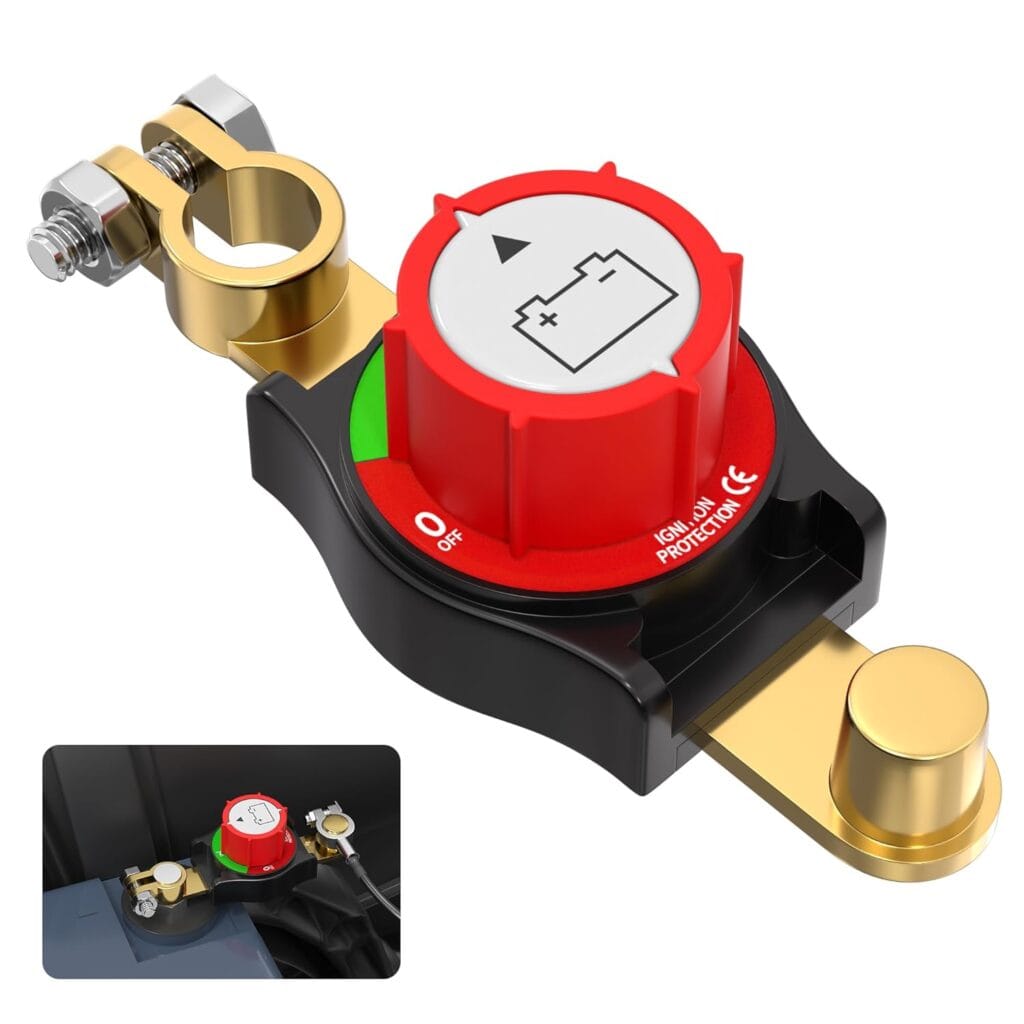
Some systems continue drawing power even when you are not actively using the caravan. Alarm systems, trackers, radio memory, control panels and standby electronics can all take a small but steady amount of current. Over several days or weeks, that adds up.
If your battery is going flat while the caravan is parked rather than while you are using it, a parasitic drain is a likely culprit. In that case, the issue is not heavy usage but power quietly disappearing in the background.
Cold weather is reducing battery performance
British weather is not always kind to leisure batteries. Cold temperatures reduce battery efficiency, so a battery that feels acceptable in mild weather may perform poorly during autumn and winter touring. You may not be using more power, but the battery is less able to deliver it.
At the same time, colder trips often involve more lighting, more heating controls, more fan use and more time spent inside. So demand rises just as battery output drops.
Your power use is higher than you realise
Modern touring often means charging more devices than before. Phones, tablets, Wi-Fi gear, portable speakers, TV systems and USB accessories all nibble away at battery reserves. Add the pump, extractor fans and regular lighting, and the drain can be surprisingly quick.
Motor movers are another major factor. They are brilliant for convenience, but they place a heavy load on the battery. If you use the mover often without giving the battery a proper recharge afterwards, overall performance can dip quickly.
Why a caravan battery drains quickly even after charging
If the battery seems to charge normally but still runs down quickly, look beyond the battery itself. The charger may not be delivering the correct voltage, the wiring may have resistance or corrosion, or the battery may have developed internal damage that prevents it holding charge under load.
Loose terminals are easy to overlook. So are dirty connectors. A poor connection can interfere with charging and make the system less efficient when power is being drawn. In practical terms, that means the battery works harder and appears to drain faster.
It is also worth checking whether the charger and battery are a good match. Some charging systems are better suited to certain battery types. If you have upgraded from a basic lead-acid battery to AGM or lithium, for example, the charging setup needs to suit that change.
Simple checks that can save a lot of hassle
Start with the battery age and condition. If it is old, has been neglected or has repeatedly gone flat, replacement may be more sensible than chasing small fixes. A tired battery can waste time, money and patience.
Then check resting voltage after charging and after the battery has been left disconnected for a while. A battery that drops quickly without much use may be failing. If it holds voltage reasonably well but drains when connected, the caravan may have a background load that needs tracking down.
Inspect the terminals for corrosion, make sure all connections are tight and check the charger is operating properly. If you have solar fitted, confirm it is actually contributing useful charge rather than just appearing to work.
Finally, think honestly about your usage. If you mostly stay on sites with hook-up, a modest battery may cope fine. If you prefer off-grid touring, winter weekends and regular mover use, your setup needs more capacity and more reliable charging support.
The best fixes depend on how you travel
There is no single answer because touring styles vary so much. For some owners, the fix is simply replacing an old battery with a quality leisure model of the correct size. For others, the real improvement comes from better charging between trips, adding solar support or reducing unnecessary standby drain in storage.
If you do plenty of off-grid camping, a battery monitor can be a smart upgrade. It gives a more realistic picture of usage than a basic status light and helps you spot where power is disappearing. That is often the difference between guessing and solving the problem properly.
It can also be worth reviewing your accessories. LED lighting, efficient chargers and well-chosen 12V equipment make a noticeable difference over time. Small improvements across several items often deliver better results than focusing on one dramatic change.
For buyers who are upgrading, this is where choosing products through a specialist touring site can make life easier. Instead of wading through general camping gear, you can compare battery, solar and charging options that actually suit caravans and motorhomes.
When replacement is the sensible option
If your battery is struggling despite full charging, clean connections and sensible use, replacement is usually the practical route. Trying to squeeze one more season out of a failing battery often leads to more inconvenience than savings.
Choose a battery based on how you really travel, not how you hope to travel. Weekend site stays with hook-up are one thing. Longer off-grid breaks with regular gadget charging, TV use and mover reliance are another. A battery that is too small will always feel disappointing, even if it is brand new.
A matched setup matters too. Battery capacity, charger quality and solar support work best as a system rather than as random upgrades added over time.
A reliable caravan battery is not about chasing the most expensive option. It is about having enough dependable power for the way you holiday. Get that balance right, and your trips become much easier – fewer surprises, less faffing about, and more time enjoying the pitch.