Understanding Leisure Batteries
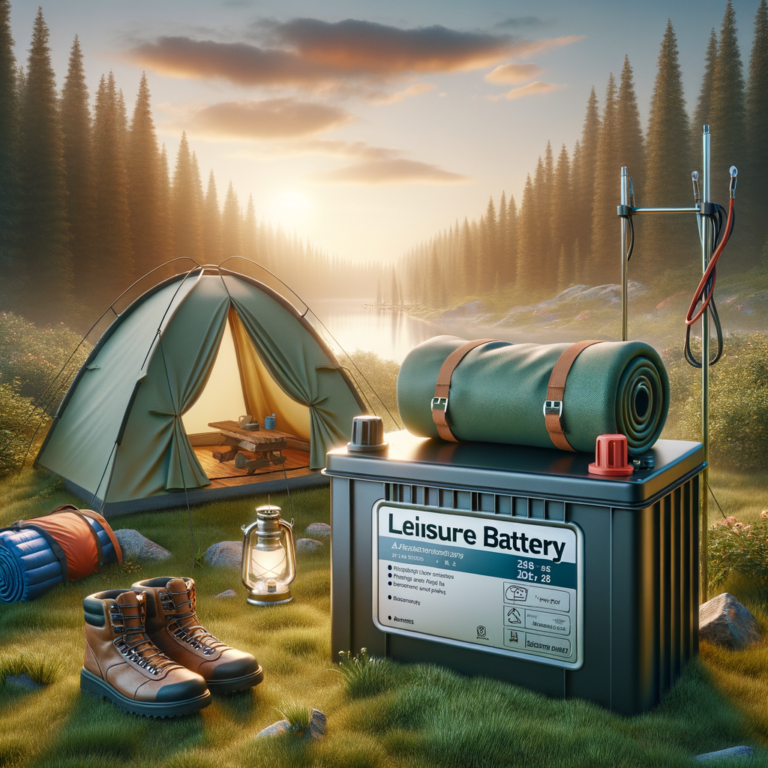
Leisure batteries play a crucial role in providing portable power solutions for various activities, such as camping, boating, and RV travel. Unlike standard automotive batteries that are primarily designed for short bursts of high energy needed to start a vehicle, leisure batteries are engineered specifically for extended use, making them more suitable for deep cycling applications. This means they can be repeatedly discharged and recharged without causing significant damage to the battery’s lifespan.
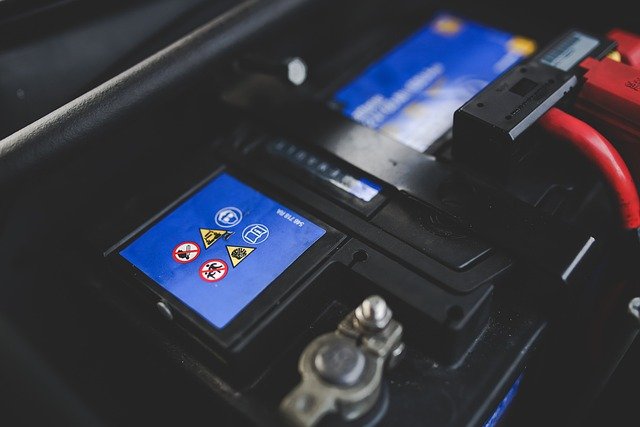
The fundamental difference between leisure batteries and conventional automotive batteries lies in their construction and design. Leisure batteries are constructed to sustain a steady discharge of energy over a prolonged period, whereas automotive batteries are built to provide a quick surge of power. This distinction becomes vital when planning to power gadgets, lights, and appliances during outdoor activities where access to electricity is limited.
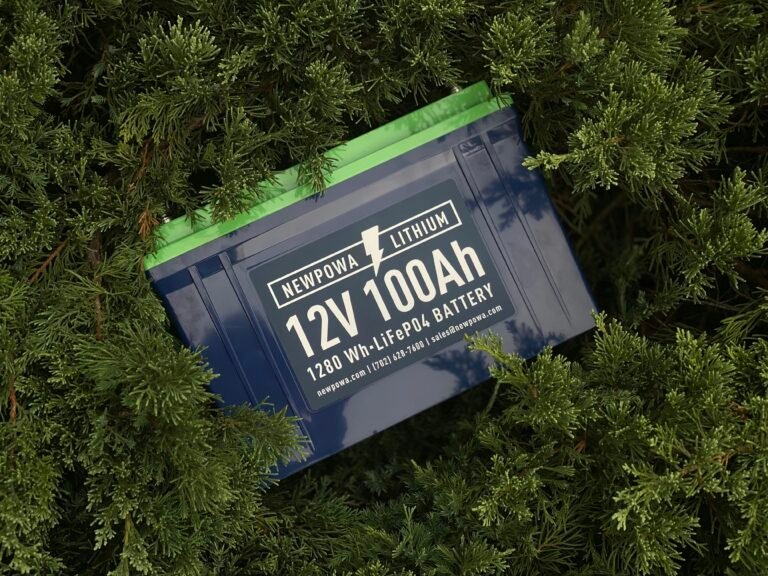
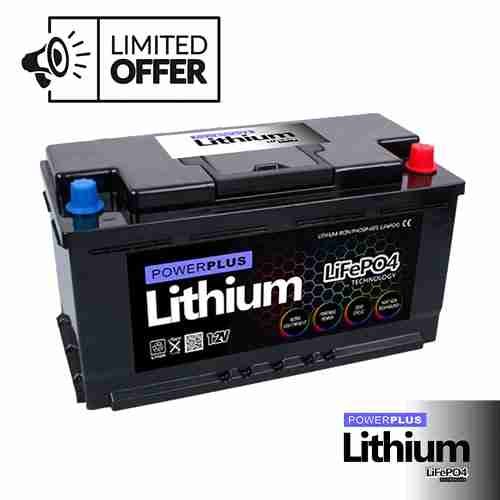
Leisure batteries typically utilize lead-acid or lithium technologies, with lead-acid variants often being more affordable and commonly used in traditional camping setups. Lithium leisure batteries, on the other hand, have gained popularity due to their lighter weight, longer lifespan, and faster charging capabilities. Each type exhibits unique characteristics tailored to specific needs; thus, selecting an appropriate leisure battery depends on the power requirements of the intended application.
Additionally, capacity ratings measured in amp-hours (Ah) indicate how much electrical energy a leisure battery can store and deliver over time. Higher capacity translates into longer-lasting power during adventures. Proper maintenance and understanding of charging cycles also play essential roles in ensuring the optimal performance and longevity of leisure batteries. In summary, understanding leisure batteries is vital for anyone engaging in outdoor activities, as they provide the reliable energy source necessary for comfort and convenience in remote locations.
Types of Leisure Batteries
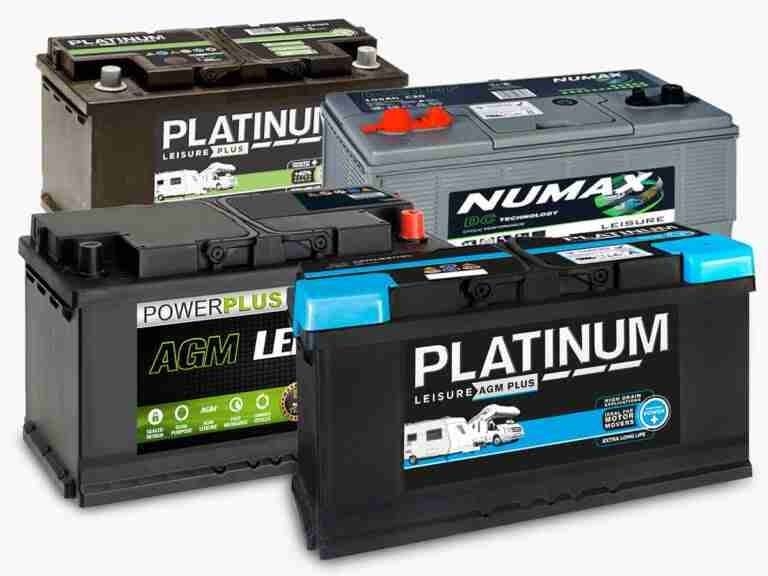
Leisure batteries come in various types, each suited for particular applications and preferences. Understanding these different types helps consumers make informed choices based on their needs. The four main categories include lead-acid, AGM (Absorbent Glass Mat), gel, and lithium-ion batteries.
Lead-acid batteries are one of the oldest battery technology types, employing a simple chemistry of lead plates and sulfuric acid. They are widely available and typically the most affordable option. However, they have a shorter lifespan compared to other battery types and are often bulkier, making them less ideal for space-constrained applications.
AGM batteries, on the other hand, offer a more advanced design. The absorbent glass mat allows for better performance in a variety of conditions, and they are designed to minimize leakage, making them more versatile for use in marine, RV, and other mobile applications. AGM batteries provide a longer service life than traditional lead-acid batteries, but they also come at a higher cost.
Gel batteries are similar in some ways to AGM but use a gel electrolyte instead of a liquid. This design offers advantages such as deeper discharge capabilities and improved resistance to vibration, which makes them suitable for demanding environments. However, gel batteries are also more sensitive to charging conditions and require specialized chargers.
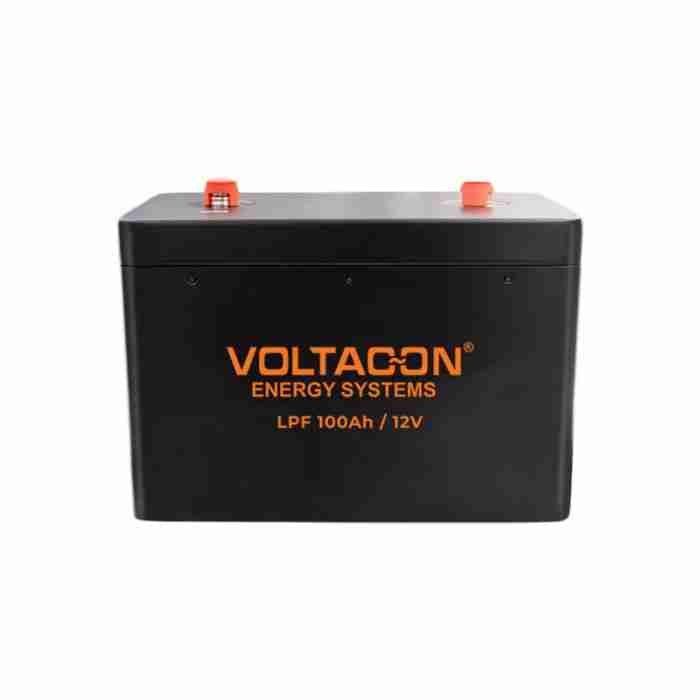
Lastly, lithium-ion batteries have gained popularity in recent years due to their lightweight design and high energy density. They can discharge deeper without damaging the battery and have a much longer lifespan, making them an excellent long-term investment. However, their higher upfront cost can be a consideration for potential buyers.
In summary, each type of leisure battery brings its unique set of advantages and disadvantages. Selecting the right type is essential for maximizing performance and lifespan while ensuring practical usability in various applications.
Portable Power Stations: The Modern Solution
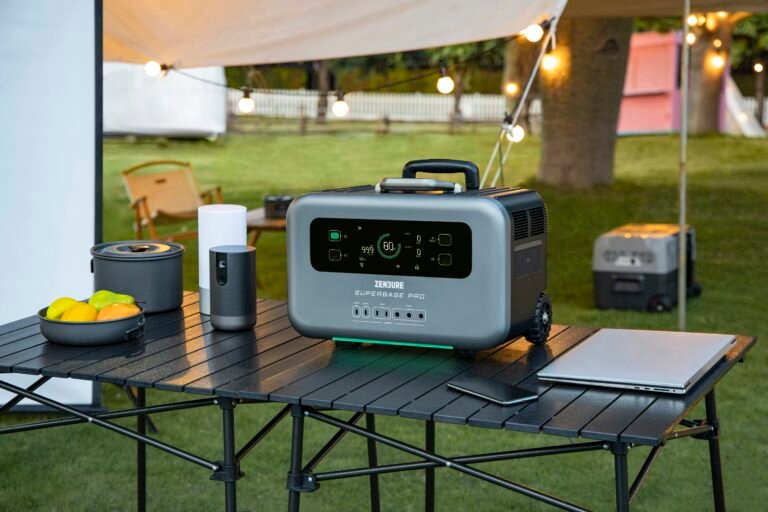
In recent years, portable power stations have emerged as a viable modern alternative to traditional leisure batteries. These devices combine the essential functionality of battery storage with enhanced features that cater to a variety of power needs. Unlike standard leisure batteries that primarily serve to power appliances in vehicles or outdoor recreational activities, portable power stations offer versatility, convenience, and a range of applications.
A portable power station typically incorporates an inverter, allowing for the conversion of stored energy into usable AC power. With varying inverter capacities, users can select units that adequately match their energy demands, whether for powering small devices like phones and laptops or larger appliances such as coolers and electric stoves. Most power stations utilize lithium-ion battery technology, providing longer life cycles and faster charging capabilities compared to conventional lead-acid leisure batteries.
One of the key advantages of portable power stations is their multiple charging methods. Users can recharge these devices through wall outlets, solar panels, or car chargers, making them adaptable to different environments. This feature is particularly beneficial for individuals who frequent remote locations, as it allows for flexible energy solutions irrespective of access to conventional power sources. Additionally, the compact design of many portable power stations enhances their mobility, making them easy to transport for camping trips, tailgating, or emergency backup during power outages.
While there are numerous benefits to portable power stations, potential users should also consider their limitations. For instance, power stations typically have a finite energy capacity, often measured in watt-hours (Wh), which can restrict the duration for which devices may be powered. In conclusion, when weighing the pros and cons against traditional leisure batteries, portable power stations present a modern solution that offers flexibility and convenience in meeting diverse power requirements.
Choosing the Right Leisure Battery or Power Station for Your Needs
Selecting the appropriate leisure battery or power station requires careful consideration of several factors to ensure it meets your specific needs. First and foremost, assess your power requirements. Identify the devices or appliances you plan to run, as this will help determine the wattage needed from the leisure battery or power station. Consider both the continuous and peak power that your appliances demand, as some may require more power to start up than to run continuously.
Next, evaluate how long you intend to use the leisure battery. If you plan for extended trips or prolonged use of devices, look for a battery with a higher capacity that can sustain your power needs efficiently. Additionally, be mindful of the charging options available. Opt for batteries that can be recharged through various methods, such as solar panels, 12V output, or mains charging, to ensure flexibility during your travels.
Budget considerations also play a crucial role in your decision-making process. Leisure batteries and power stations come in a wide range of prices depending on their capacity, technology, and features. It’s essential to find a balance between affordability and performance to avoid overextending your budget while ensuring the product meets your demands.
Maintenance is another crucial aspect to consider. Research the upkeep needs for your prospective leisure battery, as some types, like lead-acid batteries, require more frequent checks and maintenance than lithium variants. Following best practices for care, such as maintaining optimal charge levels and avoiding deep discharges, will contribute significantly to prolonging the battery’s life.
Finally, installation tips should not be overlooked. Ensure the battery is securely housed and easily accessible. By taking these factors into account when choosing a leisure battery or portable power station, you can make an informed decision that ensures reliable power supply for your adventures.