
How to Prepare a Motorhome Trip Properly
The best motorhome breaks usually feel easy once you are on the road. The bit that decides whether they stay easy is what happens before you leave the drive. If you are wondering how to prepare motorhome trip plans without forgetting something important, the answer is not to overcomplicate it. A good trip starts with a few sensible checks, the right kit and a realistic plan for power, water, weight and weather.
Some travellers love a tightly planned route. Others prefer to point the bonnet towards the coast and decide later. Both approaches can work, but motorhome travel always rewards preparation. A little time spent checking your vehicle, stocking useful gear and sorting your overnight setup can save a lot of hassle once you are miles from home.
How to prepare a motorhome trip without last-minute stress
Start with the basics that can stop a trip before it starts. Check your insurance, breakdown cover and driving licence details, especially if your motorhome is new to you or you are heading further afield than usual. It is also worth confirming your vehicle dimensions and weight so you do not get caught out by low bridges, narrow lanes or campsite restrictions.
Then look at the route itself. You do not need every mile mapped to perfection, but you do need a workable first stop, a rough fuel plan and a clear idea of where you can legally and safely park overnight. In the UK, this matters more than many first-time owners expect. A route that looks simple in a car can become awkward quickly in a larger vehicle.
Weather deserves more attention than people often give it. A sunny departure does not mean a dry awning setup later in the week. If heavy rain or strong winds are likely, you may pack differently, drive more slowly and choose pitches with a little more shelter. Flexibility matters, but so does turning up prepared.
Check the motorhome before you think about packing
The vehicle comes first because comfort accessories are no use if the essentials are not right. Tyre pressure is one of the biggest examples. Underinflated tyres affect handling, braking and fuel economy, and they are easy to ignore if the vehicle has been parked for a while. Fluids, lights, mirrors and windscreen wash should also be checked before every trip, even a short one.
Related:



Your battery setup needs equal attention. If you rely on leisure batteries for lights, charging, television or off-grid stays, make sure everything is holding charge properly before departure. This is where practical upgrades often pay for themselves. A battery monitor, solar support or a dependable charger can make touring much easier, particularly for couples or families who want a bit more comfort without always relying on hook-up.
Petrol and water systems should be tested in advance rather than on arrival. Run the taps, check for leaks, confirm the pump is working and make sure you have enough petrol for cooking and heating. If you are travelling in cooler months, heating stops being a convenience and becomes a necessity.
It is also sensible to test your fridge ahead of time. Some models take longer than expected to cool, and there is nothing worse than loading food only to find the unit is not performing properly once you are underway.
Pack for the trip you are actually taking
A common mistake is packing for every possible situation. That sounds cautious, but in a motorhome it can leave you carrying too much weight and using too much storage space. Pack for the season, your destination and the kind of holiday you genuinely enjoy.
If you are heading to a serviced site for a long weekend, your priorities may be simple clothing, outdoor chairs, levelling aids, hookup gear and a few kitchen basics. If you are planning longer touring with mixed stopovers, you may need a stronger focus on off-grid power, water containers, waste management and compact appliances that earn their place.
Clothing should be layered rather than bulky. British weather changes quickly, and a mix of lightweight waterproofs, warm layers and practical footwear covers most situations better than one heavy coat and a pile of rarely worn extras. Keep everyday items easy to reach, especially if you expect roadside stops.
Food packing is similar. Take enough to settle in comfortably, but avoid filling every cupboard before you know what local shops are available. Weight adds up fast once you combine food, drink, outdoor kit and full water tanks.
The gear that makes touring easier
When people ask how to prepare motorhome trip essentials, they often mean what gear is genuinely useful and what just sounds clever online. The answer depends on your setup, but a few categories nearly always improve the experience.
Power is a big one. Good charging options, extension leads, adaptors and battery support help you stay comfortable without constantly worrying about what can be switched on. For many travellers, this is where smart buying matters most. Reliable electrical accessories can turn an awkward pitch or overnight stop into a much easier stay.
Water and waste accessories matter just as much. Fresh water hoses, suitable containers, waste carriers and simple cleaning products save time and keep the van more hygienic. You only really appreciate the value of these items when you are trying to manage tanks in bad weather or on a busy site.
Comfort kit also earns its keep. That might mean compact kettles, small heaters suitable for your setup, better lighting, a practical TV for evenings in or outdoor gear that helps you make the most of a pitch. The best purchases are usually the ones that remove small frustrations rather than add flashy extras.
Storage products are often underrated too. Hooks, collapsible kitchenware, organisers and stackable containers make a motorhome feel calmer and more usable, especially on longer trips. Space is always limited, so products that reduce clutter tend to pay off quickly.
Plan around weight, balance and space
This is the part many new owners underestimate. A motorhome can look half empty and still be close to its legal weight limit. Water, gas bottles, food, bikes and awnings all add up faster than expected. If you are loading for a family break, the difference can be significant.
Try to keep heavier items low down and spread evenly where possible. Overloading one area can affect handling and make the vehicle feel less stable on bends or in crosswinds. It can also create problems at weighbridges and with insurance if anything goes wrong.
Space matters in a more practical way too. Think about how the van works once you arrive. If every bag has to be moved to make a bed or reach the loo, your packing needs refining. A motorhome trip feels much better when the interior can switch from driving mode to living mode without a full reshuffle.
Prepare for campsites and overnight stops
Even if you like flexible touring, the first night should be sorted before departure. Arriving late with no clear plan is tiring, especially if traffic has been poor or weather has turned. Confirm check-in rules, pitch type and whether you need anything specific for electric hookup or ground conditions.
If you are using certified locations, smaller sites or stopovers with fewer facilities, be realistic about what your motorhome needs to operate comfortably. Some travellers are happy with a very simple overnight setup. Others need a dependable power supply, stronger heating or enough onboard water to avoid inconvenience.
It also helps to keep arrival gear together. Levelling ramps, torch, hookup lead and any wheel chocks should be easy to access as soon as you pull in. Scrabbling through lockers in the rain is not part of the adventure.
Safety and convenience go together
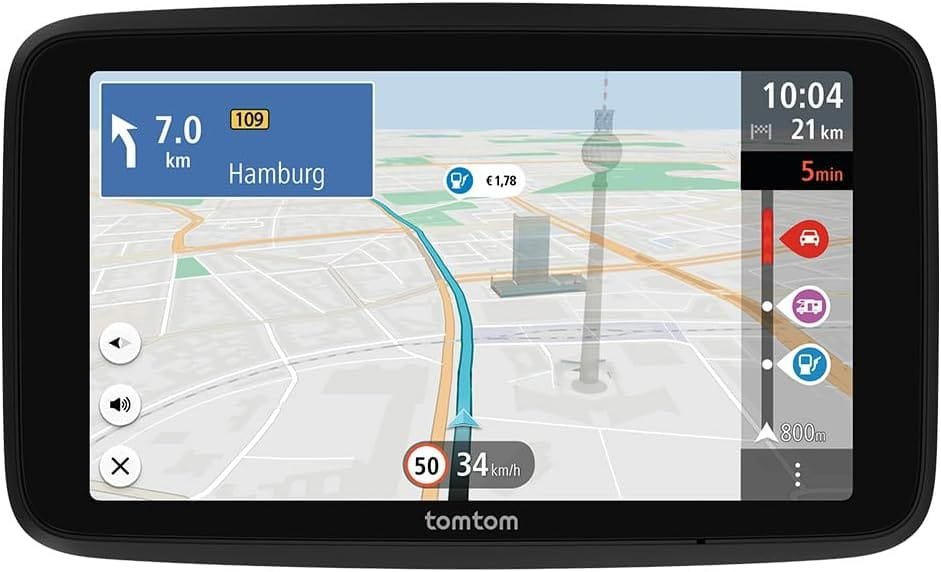
A relaxed holiday usually comes from removing avoidable risks. That means checking alarms, locks and recovery equipment, but it also means thinking about the smaller things that make life simpler. A reversing camera, decent sat nav support for larger vehicles, phone holders and clear storage for documents all reduce stress on the move.
Inside the motorhome, keep first aid, medication and emergency contact details easy to find. If you are travelling with children or pets, build your packing around their routines too. A peaceful drive and a comfortable night stop often depend on having familiar essentials close by.
There is also a trade-off between travelling very light and travelling well equipped. Stripping back too far can leave you buying replacements on the road at higher prices, while overpacking makes the van harder to manage. The sweet spot is taking dependable gear that fits your style of touring and leaving the rest behind.
A well-prepared trip does not need military planning. It just needs a motorhome that is ready, a route that makes sense and equipment that supports the way you actually travel. Get those three things right and the road feels a lot more open. If you want your next break to start smoothly, prepare for ease rather than perfection and let the motorhome do what it does best.