A flat leisure battery and a pitch with no hook-up can turn a relaxing break into a hunt for the nearest charger. That is exactly why the best motorhome solar generators have become such a popular upgrade for UK touring – they give you flexible power for nights off-grid, backup power on site, and a simple way to keep essentials running without firing up the engine.
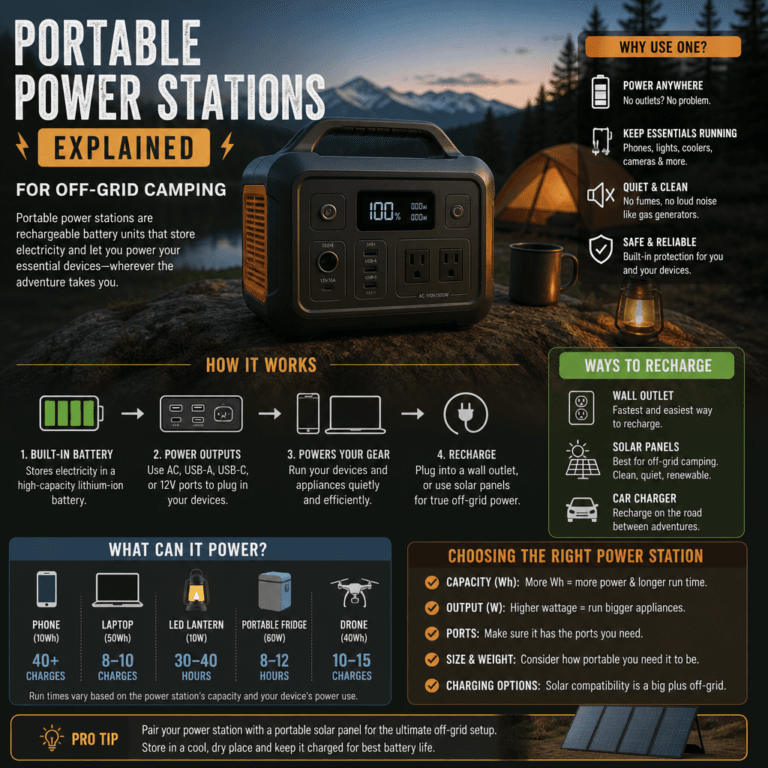
For motorhome owners, a solar generator is usually a portable power station paired with solar panels. It is not a fuel generator, so there is no petrol, no noisy engine and no fumes to worry about. That makes it far better suited to campsites, wild-style stopovers where permitted, and the general day-to-day reality of life on the road.
What makes the best motorhome solar generators worth buying?
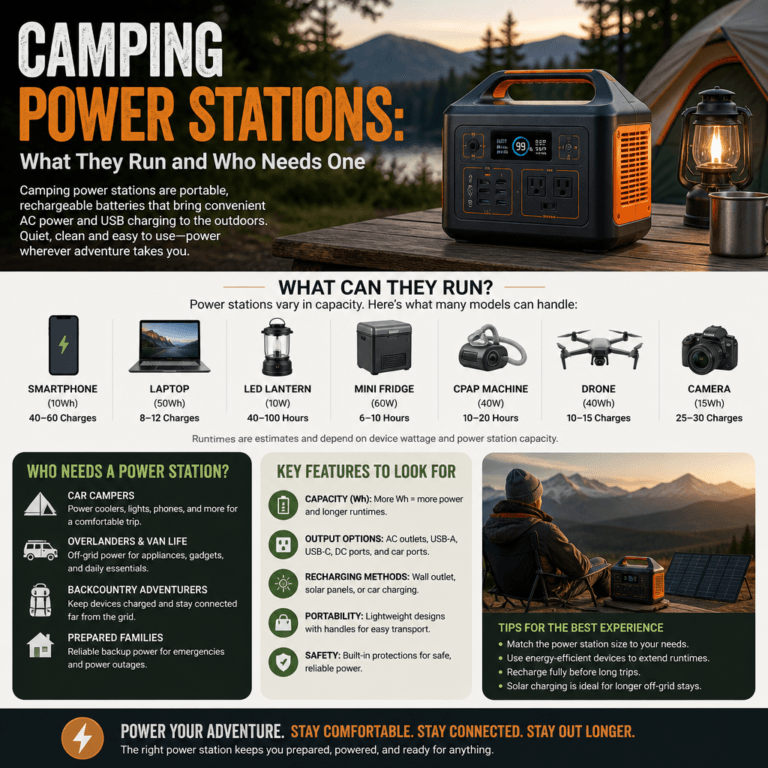
The main appeal is freedom. A good unit can keep phones, laptops, lighting, a TV, router, camera kit or even a small cool box going while you are parked up. For some travellers, it is a backup to the main electrical system. For others, especially campervan owners or people who do not want to modify the vehicle, it is a neat standalone power source.
There is a trade-off, though. A portable solar generator will not automatically replace a properly designed onboard setup with inverter, charger and fixed solar array. If you regularly run power-hungry appliances such as kettles, air fryers or hairdryers, you will need a large unit, and those are heavier and pricier. For lighter use, the convenience is excellent.
EcoFlow Leisure Batteries
Latest EcoFlow Leisure Batteries
How to compare the best motorhome solar generators
Capacity matters first. This is shown in watt-hours, or Wh, and tells you roughly how much energy the unit stores. If you only want to charge gadgets and run lights, something around 300Wh to 600Wh may be enough. If you want to power a laptop, TV, pump, camera batteries and occasional small kitchen gear, 700Wh to 1500Wh is usually a more realistic range for motorhome use.
Then look at inverter output, shown in watts. This tells you what the unit can run at one time. A 300W to 500W inverter suits lighter electronics. A 1000W to 2000W inverter gives much more flexibility, but it is easy to pay for power you may rarely use.
Battery chemistry is another big factor. Lithium iron phosphate, often written as LiFePO4, is now the safer bet for most buyers. It tends to offer a longer lifespan and better value over time than older lithium-ion designs. If you tour often, that extra cycle life is worth having.
Charging options are where motorhome users should be quite picky. Mains charging is useful before you leave home, but car charging and solar input matter most on the road. A unit that accepts a decent level of solar input can top up far more quickly during a bright day, while a weak solar input can leave you waiting around.
7 strong options for UK touring
1. EcoFlow River 2 Pro
Ecoflow is a smart choice for weekend trips and lighter off-grid use. It is compact enough for easier storage, quick to charge from the mains, and simple to use if you are new to portable power. For charging phones, tablets, camera batteries, lights and a laptop, it covers the basics nicely.
Its limitation is obvious – capacity. If you are hoping to run larger appliances for long periods, you will outgrow it fairly quickly. Still, for couples who mainly want convenient backup power, it is a very practical starting point.
2. EcoFlow Delta 2
For many buyers, this sits in the sweet spot. It offers enough capacity for more serious touring without becoming absurdly bulky, and the output is strong enough for a wider mix of appliances. It suits motorhome owners who want one unit that can handle entertainment, device charging and occasional kitchen use.
It is also one of the easier models to live with if you value fast top-ups. If you move between sites or want to recharge quickly before setting off, that makes a real difference.
3. Jackery Explorer 500
Jackery remains popular because the units are straightforward and generally beginner-friendly. The Explorer 500 is aimed at lighter users who want dependable portable power without too much fuss. It works well for charging devices, running lighting and covering small electrical jobs around the van.
Where it starts to fall behind newer rivals is battery technology and overall value. It can still be a good fit if found at the right price, but some shoppers will get more lifespan from a LiFePO4 alternative.
Jackery Leisure Batteries
Latest Jackery Leisure Batteries
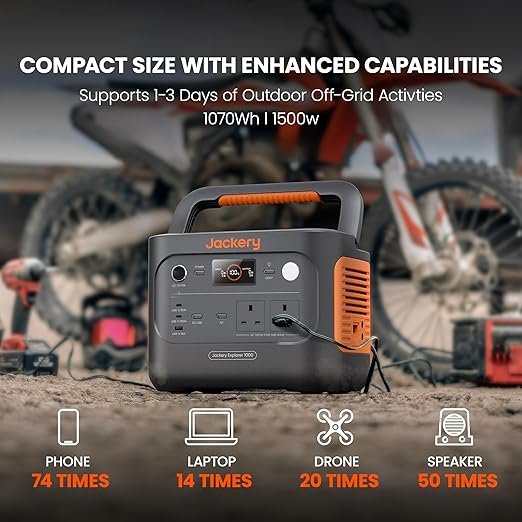
4. Jackery Explorer 1000 Pro
This is a better fit for longer trips and users with slightly bigger power demands. It gives you enough room for gadgets, laptops, a TV and selected small appliances, and it remains more portable than some high-capacity rivals.
The attraction here is balance. It feels less like an emergency power pack and more like a genuine touring companion. Price will usually decide whether it makes sense against competing brands with similar output.
5. Bluetti AC180
The Bluetti AC180 is one of the more appealing all-rounders for motorhome owners who want proper usable capacity without stepping into very large power station territory. It offers solid inverter output, sensible portability for its class and battery chemistry that should stand up well to repeated use.
For UK touring, it suits people who split time between campsites and off-grid stops. It can support everyday comfort items better than entry-level units, yet still feels manageable in a storage locker or garage area.
Bluetti Leisure Batteries
Latest Bluetti Leisure Batteries
6. Bluetti AC200P or AC200L
If your power needs are heavier, this is the point where portable power starts to feel serious. These larger Bluetti models are well suited to extended trips, higher appliance use and owners who want to rely less on hook-up. They can cope with a broader range of appliances and generally offer stronger solar charging potential.
The downside is weight. Once you move into this class, carrying the unit in and out of the motorhome becomes less appealing. It works best if you have a clear place for it and a realistic plan for how often you will move it.
7. Anker SOLIX C1000
Anker has become a strong contender in this category, and the SOLIX C1000 is particularly interesting for buyers who want modern features in a fairly manageable size. It gives a useful mix of capacity, power and user-friendly design, which suits touring life well.
For many motorhome owners, this kind of mid-size unit is easier to justify than a huge high-capacity station. It covers a lot of real-world use without taking over your storage space.
Anker Leisure Batteries
Latest Anker Leisure Batteries
Choosing the right size for your touring style
If you mostly use campsites with electric hook-up and simply want backup power for the odd stopover, keep it modest. A smaller unit is easier to store, lighter to lift and cheaper to buy. There is no point paying for 2000Wh if your usual use is charging phones and running a couple of lamps.
If you love aires, CL sites, rallies or quiet off-grid stays, it makes sense to step up in capacity. In that case, think less about one appliance and more about a full day of use. Laptop charging, lighting, pump use, TV time and device charging all add up.
Families should also think about charging demand rather than just appliance size. Several phones, tablets, portable speakers and games consoles can eat into battery capacity faster than expected, especially over a wet weekend.
Solar panels matter as much as the power station
A solar generator is only as useful as its recharging setup. Foldable solar panels are handy for touring because they can be packed away when driving and angled towards the sun when parked. In the UK, weather is always part of the equation, so panel quality and input speed matter.
It is worth being realistic here. A small panel may top up phones nicely, but it will not quickly refill a larger power station after a heavy evening of use. If you are buying for genuine off-grid touring, match the panel size properly to the battery capacity. Too little solar input is one of the most common buying mistakes.
A few buying mistakes to avoid
The first is buying based on peak power claims without checking continuous output. The second is ignoring weight and dimensions. A unit can look sensible online and feel enormous once you try to fit it around levelling chocks, cables and outdoor kit.
The third mistake is assuming any solar generator will run heating or cooking appliances well. Some will, some will not, and even when they can, battery drain can be very fast. For many motorhome owners, these units are best used for electronics, entertainment, work gear and light kitchen tasks rather than replacing gas or a full onboard electrical system.
If you are comparing deals, focus on usable value rather than just headline capacity. Battery type, charging speed, port selection, warranty and storage practicality all matter. That is usually where the best motorhome solar generators separate themselves from average ones.
For most UK motorhome owners, the sweet spot is a reliable mid-size unit with LiFePO4 battery chemistry, decent solar input and enough sockets to cover everyday touring needs. Get that balance right and off-grid power feels far less like a compromise and much more like the freedom you bought the motorhome for.