That first night without hook-up often tells you everything. The lights seem brighter because you are suddenly watching every watt, the kettle becomes a calculation, and one cold morning can flatten a battery faster than expected. This motorhome off grid power guide is here to make that part simpler, so you can spend less time second-guessing your setup and more time enjoying the freedom that made you buy a motorhome in the first place.
Off-grid power is not really about chasing the biggest battery bank or covering the roof in solar panels. It is about matching your system to how you actually travel. A couple doing weekend stopovers in summer needs something quite different from a family touring Scotland in October with heating, device charging and a coffee machine all in the mix.
What a motorhome off grid power guide should help you decide
The useful question is not, “How much power can I fit?” It is, “How much power do I use, and how easily can I replace it?” Once you know that, the rest becomes much easier to shop for.
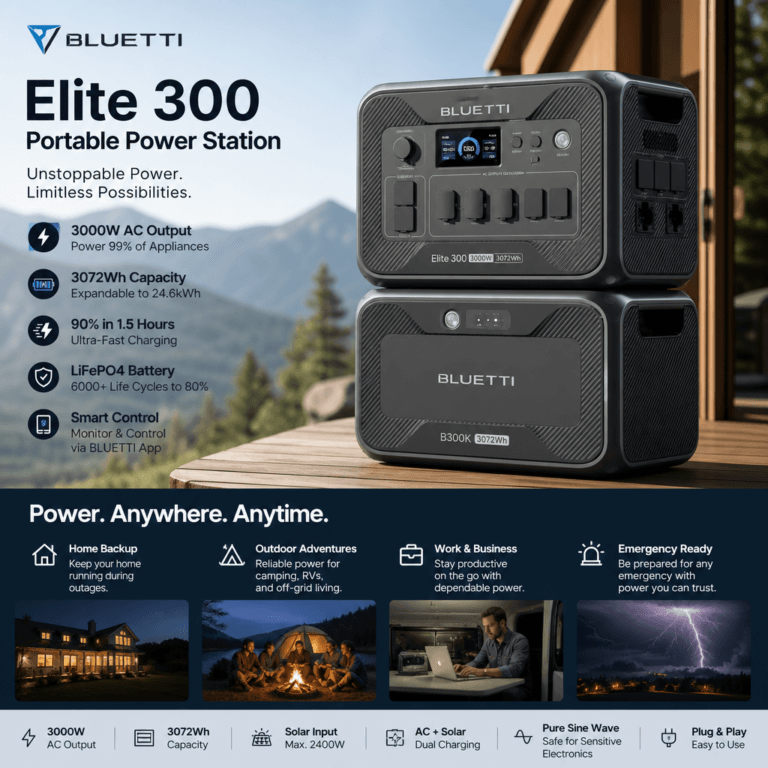
Most off-grid setups come down to four parts working together. You store power in your leisure battery, put power back in through charging sources such as solar or a battery-to-battery charger, convert it with an inverter if you need mains appliances, and manage consumption by choosing efficient kit and sensible habits. If one part is weak, the whole system feels frustrating.
That is why plenty of motorhome owners buy an inverter first and only later realise the battery cannot comfortably support it. Others fit solar and expect it to cover everything, then tour in poor weather and wonder why they still need to ration usage. Good off-grid power is a balanced setup, not a single product.
Start with your real daily power use
Before buying anything, think through a typical day without hook-up. Lighting, water pump, phone charging, TV, Wi-Fi kit, fans, coffee machine, laptop, hairdryer and heating controls all matter. Some are tiny draws. Others are surprisingly heavy, especially anything that creates heat.
LED lights and phone charging barely trouble a decent battery bank. A microwave, toaster or electric kettle is another story. They may only run briefly, but they demand a lot in that short time. If you want those home comforts while wild camping or using basic aire-style stops, your system needs to be built around them from the start.
A simple way to think about it is this. Low-power touring suits smaller, cheaper setups. If your habits are closer to home living, expect to spend more on batteries, charging and inverter capacity. There is no wrong answer, but there is a wrong match.
Choosing the right leisure battery
Your battery is the heart of the system, and this is where many buyers either overspend or buy twice. Traditional lead-acid and AGM batteries can still work well for lighter use and tighter budgets. They are familiar, widely available and often cheaper upfront. The downside is usable capacity. You generally should not drain them too deeply if you want good lifespan.
Lithium batteries cost more initially, but for many motorhome owners they make off-grid touring much easier. They provide more usable capacity, charge faster, weigh less and usually last far longer. If you tour often, move regularly or rely on solar, lithium can start to make financial sense as well as practical sense.
There is a trade-off, though. Not every older motorhome charging system is ready for lithium without upgrades. Your charger, solar controller and alternator charging arrangement may need checking. So while lithium is attractive, it is worth making sure the whole system supports it properly rather than just swapping the battery and hoping for the best.
How much battery capacity is enough?
For modest off-grid use, many owners start with around 100Ah to 200Ah of usable battery capacity. That may be fine for lights, pump, devices and a bit of television. If you want regular inverter use for kitchen appliances or extended stays away from mains, you may need more.
The key is usable capacity, not headline numbers. A 100Ah lithium battery can often feel more capable in real use than a much larger lead-acid setup because more of that stored power is safely available.
Solar makes off-grid life easier, but it is not magic
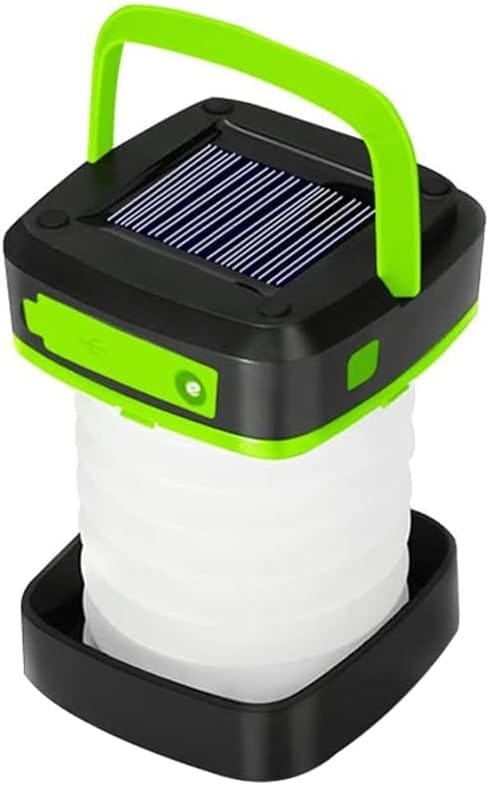
Solar is one of the best upgrades for motorhome freedom because it quietly tops up your battery through the day, even when you are parked somewhere beautiful and doing very little. In spring and summer, a well-sized panel can dramatically reduce the need to move or seek hook-up.
But solar depends on season, weather, panel size and shading. A tree-lined pitch in the Lake District and a sunny coastal stop in July are not the same thing. Winter touring in the UK is especially demanding, so it is wise not to treat solar as your only charging plan unless your use is very light.
A modest panel setup may cover background loads and device charging. A larger solar array gives more breathing room, particularly for longer stays. Pairing solar with an MPPT controller usually helps efficiency, especially if roof space is limited and you want the best return from your panels.
Alternator charging matters more than many people expect
If you move regularly, alternator charging can be just as important as solar. On many modern motorhomes, a battery-to-battery charger is one of the smartest power upgrades because it helps ensure your leisure battery charges properly while driving.
This becomes even more relevant with lithium batteries and Euro 6 vehicles, where standard charging arrangements may not deliver what you expect. If your style of touring involves changing locations every day or two, strong alternator charging can keep you comfortable without needing a huge solar setup.
For buyers trying to keep costs sensible, this is where a practical setup often wins. Instead of overspending on every component, choose a battery capacity that fits your use, then make sure your charging while driving is genuinely effective.
Do you really need an inverter?
An inverter is brilliant when it suits your habits and a waste of money when it does not. If you mainly charge phones, run LED lights and use 12V-friendly kit, you may not need one at all. If you want to run a laptop charger, coffee machine or mains television, it becomes much more useful.
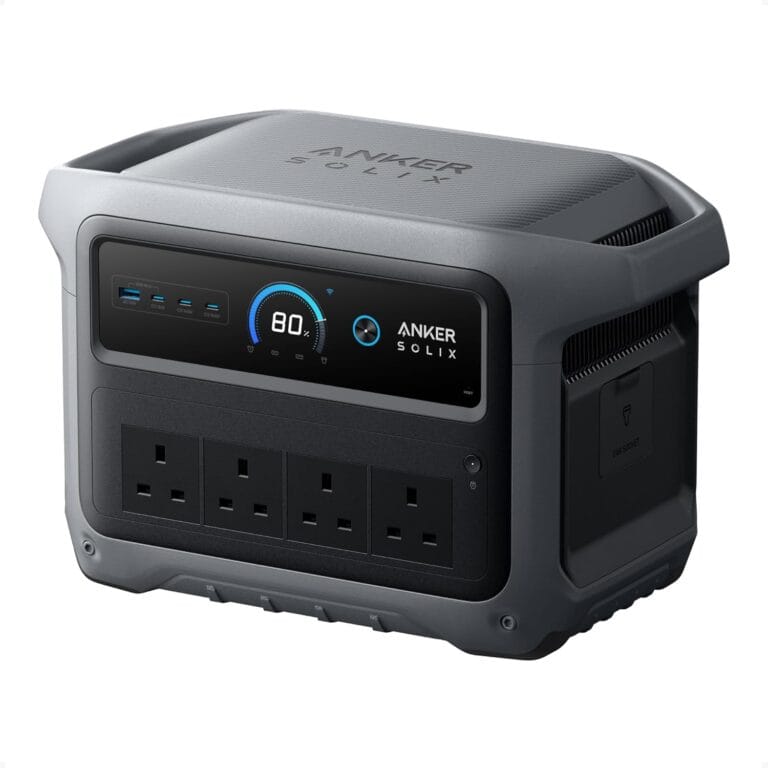
The trap is buying too large an inverter because it sounds future-proof. Bigger is not always better. A large inverter can be more expensive, may draw more standby power, and encourages the use of appliances that drain your batteries quickly. A correctly sized pure sine wave inverter is usually the safer, more efficient choice for sensitive electronics.
Ask yourself which mains items you genuinely want to use off-grid. Then size the inverter around those, not around a theoretical wish list you may never use.
Small changes that make a big difference off-grid
The cheapest power upgrade is often better efficiency. Swap every interior bulb to LED if you have not already. Choose 12V chargers instead of constantly using an inverter for small electronics. Be realistic about heating loads and avoid relying on electricity for tasks better handled by petrol.
This is where off-grid touring becomes much easier. You do not need to live sparingly, but you do benefit from using the right power source for the right job. Petrol for cooking and heating, battery power for essentials and light electronics, solar and driving to top things up – that balance usually works better than trying to make electricity do absolutely everything.
A sensible upgrade path for most motorhome owners
If your current setup struggles, you do not always need a full refit. Many owners get excellent results by upgrading in stages. Start with understanding your usage, then improve the weakest link first.
If your battery runs flat too quickly, a higher-quality leisure battery may help. If the battery never seems to recover, better charging through solar or a battery-to-battery unit may be the answer. If you have battery capacity but cannot power the devices you want, then look at an inverter.
That staged approach is often the smartest way to buy because it avoids spending heavily on parts you may not need. It also leaves room to build a setup around your actual touring habits, which often change after a season or two.
For shoppers comparing products, that is where a specialist site such as Caravan Motorhome RV is useful – not because every motorhome needs the same kit, but because the right accessories become easier to spot when they are filtered through real touring needs rather than general outdoor marketing.
Common mistakes to avoid
The biggest mistake is chasing headline specs instead of usable performance. The second is forgetting that power systems work as a whole. A quality battery with poor charging still disappoints. Strong solar with weak battery storage still leaves you short. A big inverter with an undersized battery quickly becomes annoying.
Another common issue is buying for the once-a-year scenario instead of the usual trip. If you mostly take two-night breaks on serviced sites with the occasional off-grid stop, your system can be much simpler than someone who routinely spends five days away from mains in all seasons.
A good off-grid setup should feel reassuring, not complicated. When it suits your travelling style, you stop thinking about every switch and socket. You park where you want, stay comfortable, and trust your motorhome to keep up. That is really the point – not more gear for its own sake, but the confidence to stay a little longer when the view is too good to leave.