A flat leisure battery on the second morning of a trip can spoil the mood quickly. If you like the freedom of club sites, aires, farm stays or proper off-grid stops, a caravan solar panel kit can take a lot of pressure off your power setup and make touring feel much easier.
The tricky part is not deciding whether solar is useful. It usually is. The real question is which kit suits the way you travel, the battery you already have and the appliances you actually use. Get that right and solar becomes one of those upgrades you quietly appreciate on every trip.
Why a caravan solar panel kit makes sense
For many caravan and motorhome owners, solar is less about going fully off-grid and more about staying comfortable for longer. It helps keep your leisure battery topped up while you run lights, water pumps, mobile phone chargers, alarms, trackers and the small everyday items that soon add up.
That matters most when you are parked without hook-up, but it is also useful at home or in storage. A good panel can help maintain battery health between trips, which is especially handy during colder months when a vehicle may be standing for weeks.

Compact 288Wh Anker SOLIX C300 power bank with 100W solar panel, ideal for off-grid caravan and motorhome touring. Run 12V accessories, recharge gadgets and top up via solar on non‑electric pitches.
Power Capacity: 288Wh, suitable for lights, phones, small devices
12V Compatibility: Great for caravan pumps, coolers, fans, routers
Solar Charging: 100W panel keeps battery topped on pitches
There is also a simple convenience factor. Instead of rationing every bit of power, you have a steady source of charge during daylight hours. It will not replace mains for high-draw appliances such as kettles, hairdryers or electric heating, but it can make the 12V side of touring much more relaxed.
What comes in a caravan solar panel kit
Most kits include the panel itself, a solar charge controller, mounting brackets, cables and connectors. Some are sold as complete fitting packages, while others leave out adhesive, battery terminals or cable entry housings. That is worth checking before you buy because a cheaper kit is not always cheaper once the missing parts are added.
The controller is a bigger deal than many first-time buyers expect. Its job is to regulate the charge going into your battery and protect it from overcharging. Better kits often use an MPPT controller rather than a PWM one. MPPT units cost more, but they are generally more efficient, especially in mixed weather, which makes good sense for UK touring.
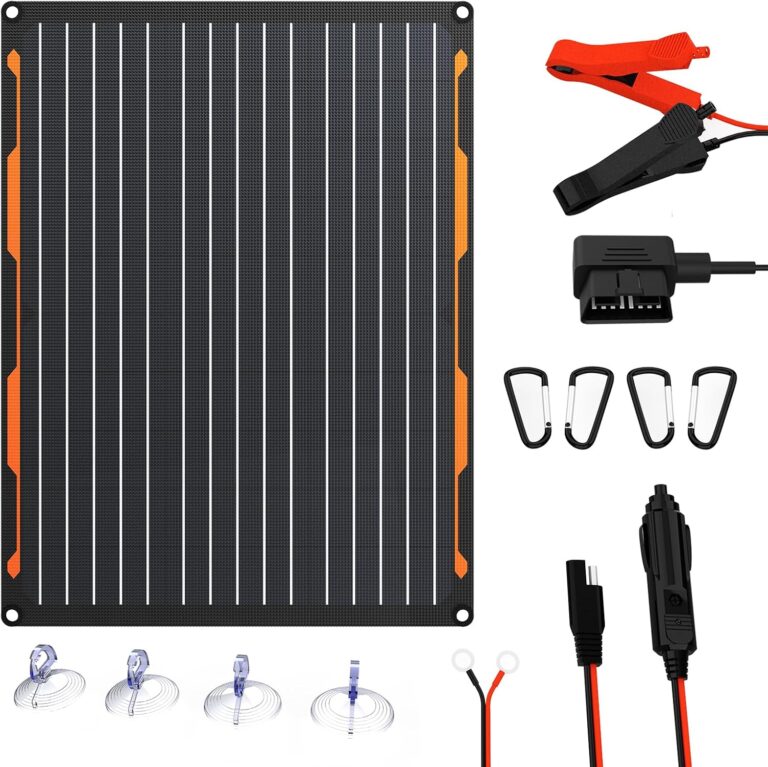
You may also see portable kits with folding panels and crocodile clips. These are useful if you do not want to fit anything permanently or if you want to move the panel into better sun while keeping the caravan in partial shade. The trade-off is convenience. Portable systems need setting up each time and storing securely when not in use.
Choosing the right panel size
Panel size is where buying decisions usually go right or wrong. Too small, and the system barely keeps up. Too large, and you may spend more than you need.
A 20W to 40W panel is usually best thought of as a maintenance option. It can help keep a battery healthy in storage and may cover very light use, but it is unlikely to support regular off-grid living. A 80W to 120W setup is a more practical starting point for many couples using lights, pumps, USB charging and a television in moderation. If you tour for longer periods without hook-up, or you have a family with heavier daily use, 150W to 200W can be a much more comfortable range.
Usage matters more than guesswork. If you mainly stay on serviced pitches and just want the battery maintained between weekends away, a modest kit may be plenty. If you enjoy remote stopovers and expect the battery to support several devices every day, it is worth sizing up rather than hoping sunshine will cover the gap.
Fixed or portable solar?
A fixed roof-mounted kit suits owners who want a fit-and-forget solution. Once installed, it works automatically whenever there is daylight, and that simplicity is hard to beat. It also helps while the caravan or motorhome is in storage, assuming the roof gets reasonable exposure.
Portable kits suit more flexible setups. They are especially handy when the vehicle is parked under trees or when roof space is limited by vents, aerials or rooflights. Some owners also prefer a portable panel because there is no drilling or permanent bonding involved.
Neither choice is universally better. Fixed solar wins on ease. Portable solar wins on flexibility. If security, speed and everyday convenience matter most, fixed usually comes out ahead. If you only need occasional charging support and want the lowest commitment, portable can be a smart buy.
Battery type changes the conversation
Your solar kit is only as useful as the battery behind it. Many touring vehicles still use AGM, gel or standard lead-acid leisure batteries, and these can work well with solar if the controller is compatible. Lithium batteries are becoming more popular because they charge faster, offer deeper usable capacity and tend to be lighter, but they need the correct charging profile.
This is where checking specifications really matters. A solar controller that supports your battery chemistry is essential. If you are planning a battery upgrade later, it may be worth buying a better controller now so the system is ready for it.
Battery capacity also affects expectations. A decent solar panel can help replace what you use, but if your battery bank is small or ageing, your system may still feel underpowered. Sometimes the issue is not the panel at all. It is the storage capacity or battery condition.
UK weather and real-world expectations
It is easy to be tempted by ideal output figures, but solar performance in Britain depends heavily on season, cloud cover, panel angle and shading. A panel rated at 100W does not deliver 100W all day long. Summer touring in open sunlight is one thing. A damp October break under trees is another.
That does not mean solar is poor value in the UK. Far from it. It just means sensible expectations lead to better buying choices. A well-matched system can still make a real difference across much of the year, but it should be viewed as part of your power setup rather than a magic answer to every electrical demand.
If you tour mainly in spring and summer, solar will feel far more rewarding than if most of your trips happen in the darker months. That seasonal pattern should influence how much you spend.
Installation: simple in theory, careful in practice
Many kits are marketed as DIY-friendly, and some are. If you are confident with basic electrical work, careful cable routing and weatherproof sealing, fitting a panel can be a manageable weekend job. The important word there is careful.
A poor installation can lead to leaks, loose wiring or disappointing charging performance. Roof-mounted systems need secure fixing, neat cable entry and a controller installed in a sensible location with adequate ventilation. Even portable systems benefit from tidy connections and proper fuse protection.
If you are unsure, professional fitting may be money well spent. It can save time, reduce risk and give peace of mind before a long trip. For many owners, especially with newer or more valuable vehicles, that reassurance is worth paying for.
What to look for before you buy
Build quality matters. A caravan solar panel kit should cope with vibration, changing weather and regular touring life, so sturdy frames, reliable connectors and a trusted controller are worth prioritising. It is also worth looking at cable length, because short cables can complicate installation more than expected.
Check the dimensions carefully, especially for motorhomes and campervans where roof space may be awkward. A panel that looks fine on paper can clash with roof furniture or make cable routing less practical. For caravans, think about storage position too. If the van sits beside a hedge, wall or building, a roof panel may get less benefit than you expect.
Finally, think beyond the headline price. A slightly better kit with a stronger controller, proper mounting hardware and clearer instructions often gives better value than the cheapest option on the page. That is usually the smarter buy for touring, where reliability counts more than saving a few pounds upfront.
Is a caravan solar panel kit worth it?
For plenty of UK tourers, yes. If you want more freedom from hook-up, less worry about battery drain and a simpler way to keep your 12V system healthy, solar is one of the most useful upgrades you can make. It will not run everything, and it does not remove the need to manage your power sensibly, but it can make your setup feel more capable and much easier to live with.
The best results come from matching the kit to your actual habits rather than buying the biggest panel or the cheapest deal. If you choose with care, a caravan solar panel kit can quietly improve almost every trip by giving you one less thing to think about when you are away enjoying the road.