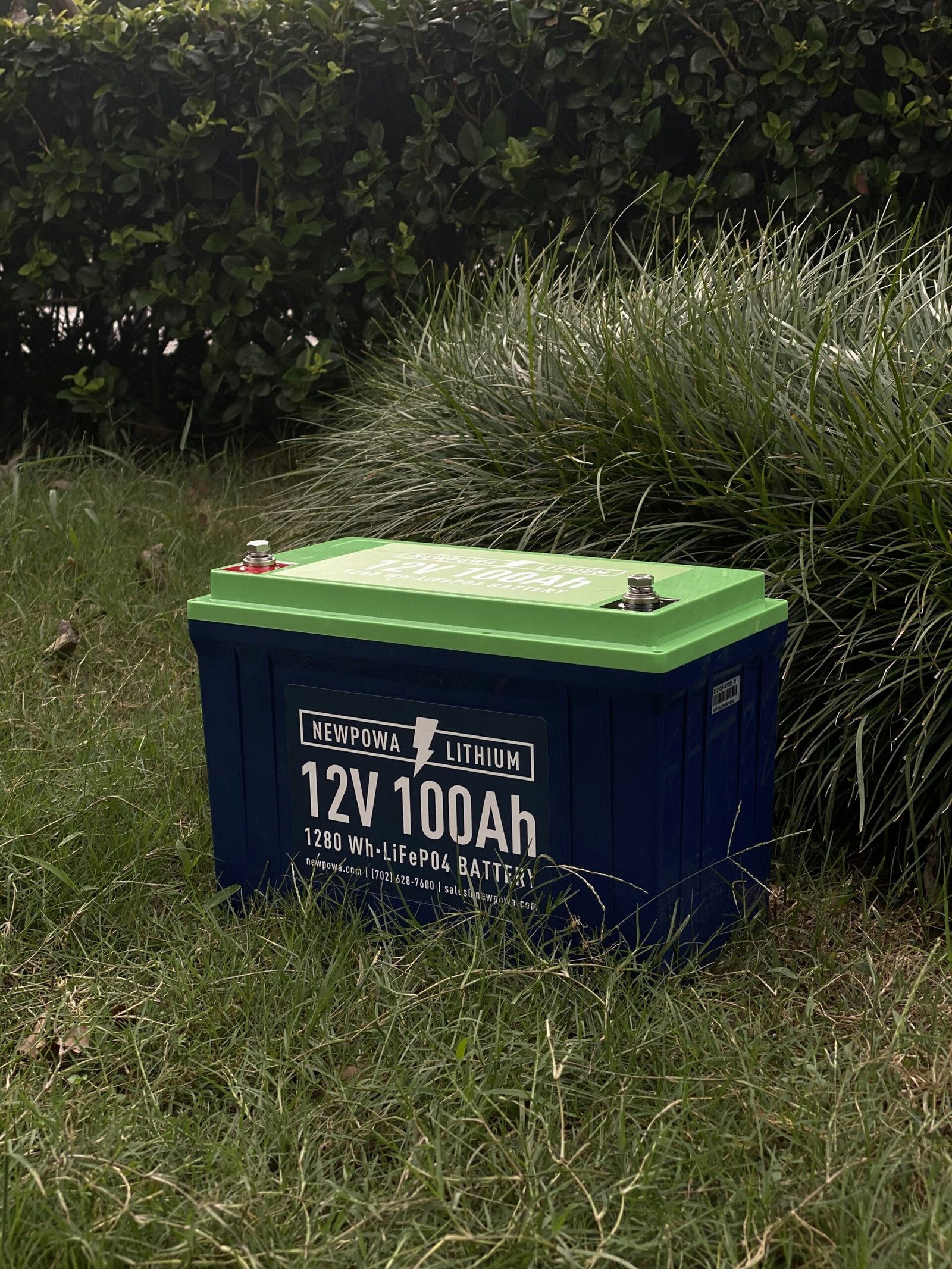
How Long Do Leisure Batteries Last?
How Long Do Leisure Batteries Last? – we will look at this and discuss all options for your information.
Introduction to Leisure Batteries
Leisure batteries, designed specifically for recreational use, serve as a powerful energy source for various portable applications, most commonly found in motorhomes, caravans, and boats. Unlike standard car batteries, which are created to deliver short bursts of high energy required for starting an engine, leisure batteries are engineered to provide a steady amount of energy over a prolonged period. This characteristic makes them suitable for powering appliances, lighting, and onboard electronics while away from traditional electrical outlets.
The construction of leisure batteries typically employs deeper cycle technology, allowing them to endure numerous discharge cycles without significant degradation. This ensures that leisure batteries can be depleted to a certain extent and then recharged effectively, a requirement frequently encountered during recreational use where energy consumption can vary widely. It is important to emphasize that the usage of leisure batteries is not interchangeable with regular car batteries, as their operational requirements and discharge capabilities differ substantially.
In the context of mobile lifestyles and the growing demand for off-grid living, leisure batteries have garnered attention as essential components. They are not merely for vehicle mobility; many users find applications in stationary setups, such as garden sheds or emergency backup systems, where conventional power sources may be unreliable. Establishing a foundational understanding of how leisure batteries function, their construction, and their applications helps users appreciate their importance in enhancing the convenience and comfort of outdoor activities.
Types of Leisure Batteries
When considering leisure batteries, it is essential to understand the different types available in the market: lead-acid, gel, AGM (Absorbent Glass Mat), and lithium-ion. Each type has its unique composition, features, and applications, making them suitable for various leisure activities.
Lead-acid batteries are one of the most traditional forms of energy storage. They consist of lead plates submerged in a sulfuric acid electrolyte solution. This type of battery is widely used due to its affordability and robustness. However, while lead-acid batteries provide a reliable power source, they require regular maintenance and have a shorter lifespan compared to other modern alternatives.
Related:


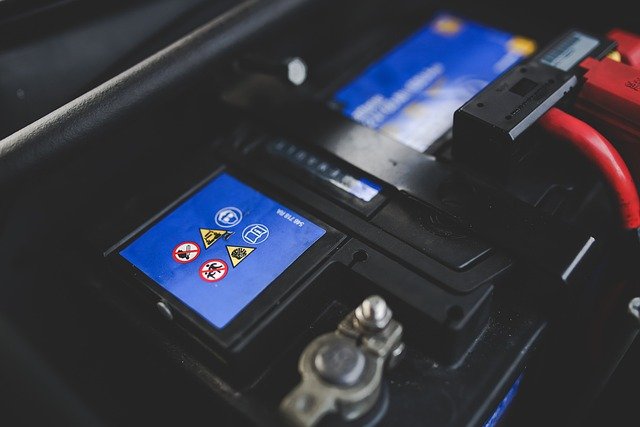

Gel batteries are a subtype of lead-acid battery but use a silica gel electrolyte gel to prevent spillage. This design enhances their safety and reduces maintenance needs, making them particularly suited for applications where orientation and maintenance access may be challenging. Gel batteries are known for their deep discharge capabilities, making them ideal for long-duration use in leisure settings.
AGM batteries, or Absorbent Glass Mat batteries, represent another advancement in lead-acid technology. Their construction involves absorbing the electrolyte in glass matting, which allows for better durability and resistance to vibrations. AGM batteries excel in charge efficiency and are less prone to leakage, making them highly favored in recreational vehicles and marine applications.
Finally, lithium-ion batteries have gained popularity in recent years due to their high energy density and lightweight properties. Unlike lead-acid variants, lithium-ion batteries can be discharged deeply without sacrificing their lifespan, offering a significant advantage for users who require sustained energy. They are often used in modern electric leisure crafts and advanced mobile living solutions.
Understanding Lifespan of Leisure Batteries
The lifespan of leisure batteries is a critical aspect for users relying on battery power for camping, boating, or off-grid living. It refers to the duration a battery can remain functional and maintain its performance before needing replacement. The average lifespan of various leisure battery types can differ significantly, often ranging from five to fifteen years, depending on several influencing factors.
Leisure batteries, primarily Deep Cycle batteries, are designed for repeated discharge and recharge cycles. Among the different types, Lead Acid batteries typically last approximately 4–6 years, while Lithium-ion batteries can extend their lifespan to 10 years or more. Understanding these averages helps users select appropriate batteries based on their usage patterns and needs.
Several factors significantly affect the lifespan of leisure batteries, primarily the depth of discharge (DoD). Generally, a lower DoD, which indicates that the battery is not frequently drained to low levels, tends to extend the battery’s overall life. Conversely, consistently deep discharges can lead to rapid degradation.
Cycle life is another vital element in determining longevity. This refers to the number of charge and discharge cycles a battery can undergo before its capacity diminishes to a point where it is no longer useful. For instance, a battery with a robust cycle life may endure a higher number of cycles, ultimately contributing to a longer operational lifespan.
Environmental conditions such as temperature and humidity also play a role in battery health. High temperatures can accelerate chemical reactions within the battery, leading to faster wear, while extreme cold can hinder its performance. Proper management of these external factors is essential to optimizing the lifespan of leisure batteries.
Lead-Acid Batteries: Lifespan and Factors
Lead-acid batteries are among the most commonly used types for various applications, including leisure vehicles, marine equipment, and renewable energy systems. Typically, the lifespan of a lead-acid battery ranges from three to five years, although this can vary based on several influential factors such as usage patterns, maintenance practices, and environmental conditions.
The operational cycle of lead-acid batteries significantly impacts their longevity. Deep cycling, which involves discharging the battery below 50% of its capacity on a regular basis, can diminish their lifespan. On the other hand, keeping the battery partially charged and avoiding full discharges contributes positively to its durability. Additionally, the frequency of charging also plays a critical role; batteries that are frequently charged and maintained at optimal levels tend to last significantly longer.
Environmental factors cannot be overlooked either. Lead-acid batteries are sensitive to temperature fluctuations, with high temperatures accelerating degradation processes while extremely cold conditions can affect performance and charge retention. Therefore, it is essential to store and operate them within the manufacturer’s recommended temperature ranges.
Regular maintenance practices are another vital component in enhancing battery lifespan. This includes ensuring clean terminals, checking voltage levels, and maintaining appropriate electrolyte levels, where applicable. Utilizing a smart charger can also aid in enhancing performance by automatically adjusting charging cycles based on battery needs.
In summary, understanding the typical lifespan and influencing factors of lead-acid batteries is crucial for anyone looking to maximize their investment in these energy storage solutions. By adhering to best practices regarding usage, charging, and maintenance, users can significantly extend the operational life of lead-acid batteries.
Gel Batteries: Lifespan and Care
Gel batteries are a type of Valve Regulated Lead Acid (VRLA) battery that utilize a gel-like electrolyte instead of the liquid electrolyte found in traditional lead-acid batteries. This unique composition provides several advantages, making gel batteries particularly desirable in various applications, including recreational vehicles, marine use, and renewable energy systems.
In terms of lifespan, gel batteries generally have a longer service life compared to conventional lead-acid batteries. While standard lead-acid batteries may last around 3 to 5 years, gel batteries can achieve a lifespan of up to 10 years or more when properly maintained. However, the actual lifespan can vary depending on usage patterns and environmental conditions. Regular charging and discharging cycles, as well as temperature extremes, can significantly affect the longevity of these batteries.
One of the standout features of gel batteries is their ability to tolerate deep cycling. They are designed to handle partial discharges without significant damage, making them suitable for applications where consistent and reliable power is essential. Additionally, gel batteries are highly resistant to sulfation, a common issue in lead-acid batteries that can lead to reduced capacity and lifespan. This resilience contributes to their reputation as a reliable energy source.
Care and maintenance of gel batteries are crucial to maximizing their lifespan. It is recommended to use a charger specifically designed for gel batteries, as incorrect charging can lead to overcharging and damage. Maintaining a proper charging voltage is essential; excessive voltage can cause the gel to dry out, while too low voltage can lead to undercharging. Regularly monitoring the battery’s state of charge and ensuring it does not discharge below its specified level are also important practices. By following these guidelines, users can ensure optimal performance and longevity of their gel batteries.
AGM Batteries: Lifespan Insights
Absorbent Glass Mat (AGM) batteries are a popular choice among users seeking reliable power storage solutions, especially in applications like RVs, boats, and off-grid solar systems. These sealed lead-acid batteries boast several benefits, including low self-discharge rates and deep-cycle capabilities, making them well-suited for situations where extended use is required. Typically, the lifespan of an AGM battery can range between 3 to 10 years, depending on factors such as maintenance, usage, and environmental conditions.
One of the key advantages of AGM batteries is their ability to withstand deeper discharges without significant damage, allowing them to deliver optimal performance even under heavy loads. This characteristic is particularly beneficial for recreational vehicles that may require prolonged power supply during off-grid adventures. Furthermore, AGM batteries are designed to be vibration-resistant, which enhances their durability, especially in mobile applications.
However, AGM batteries are not without their downsides. While they provide excellent performance in certain scenarios, they tend to be more expensive than traditional flooded lead-acid batteries. Moreover, extreme temperatures can adversely affect their lifespan and efficiency. To ensure longevity, optimal maintenance practices are crucial. This includes regular checks on battery voltage, ensuring proper charging, and storing them in a temperature-controlled environment whenever possible.
In summary, AGM batteries offer a balance of reliability and longevity, making them ideal for users needing durable power solutions. With proper care and understanding of their limitations and strengths, it is possible to maximize the lifespan of these batteries, ensuring they serve their purpose effectively for years to come.
Lithium-Ion Batteries: Longevity and Efficiency
Lithium-ion batteries have revolutionized the energy storage landscape, particularly in applications demanding high efficiency and extended longevity. Unlike traditional lead-acid batteries, which offer a limited cycle life and often need frequent replacement, lithium-ion batteries can last significantly longer. On average, a well-maintained lithium-ion battery can provide between 2,000 to 5,000 charge cycles, equating to years of dependable service when used appropriately.
One common misconception is that lithium-ion batteries are entirely maintenance-free. While they do require less upkeep than lead-acid alternatives, they still benefit from regular monitoring to ensure they operate within optimal parameters. Proper charging practices, avoiding deep discharges, and maintaining suitable ambient temperatures can enhance the lifespan of lithium-ion batteries. These precautions contribute to the overall reliability that makes them a sought-after choice for modern energy solutions.
When comparing the cost of lithium-ion batteries with other types, initial investment might appear higher, but considering their longevity and performance, they often offer better value over time. The efficiency of lithium-ion technology also reduces energy loss during charging and discharging. This efficiency can drastically lower operational costs, especially in applications involving frequent cycling, such as in RVs or renewable energy systems, where reliability is paramount.
Furthermore, when examining their performance, it is important to note the increased energy density that lithium-ion batteries provide. This characteristic allows for compact designs without sacrificing capacity, making them ideal for a variety of settings, from mobile devices to electric vehicles. Therefore, investing in lithium-ion batteries is not just a choice for efficiency; it is about embracing a forward-thinking approach to energy management.

Comparing Lifespans Across Battery Types
When considering leisure batteries, it’s essential to understand the lifespan expectations of various battery types. This comparison helps in selecting the right battery depending on specific needs and usage patterns. Key factors influencing battery lifespan include usage frequency, charging practices, and environmental conditions.
Lead-acid batteries, often used in leisure settings, typically last between 3 to 5 years when maintained correctly. The lifespan can extend with proper care, including regular charging and avoidance of deep discharging. However, these batteries are heavier and less efficient than newer technologies.
In contrast, lithium-ion batteries have become increasingly popular due to their longer life expectancy, averaging between 8 to 12 years. This longevity is attributed to their efficient energy use, lighter weight, and faster charging abilities. They are capable of deeper discharges compared to lead-acid batteries without suffering damage, making them a favored choice for many leisure applications.
Another type worth mentioning is the AGM (Absorbent Glass Mat) battery, which offers advantages such as spill-proof design and resistance to vibrations. AGM batteries generally provide a lifespan of 4 to 7 years, making them suitable for users looking for durability alongside performance.
Lastly, Gel batteries offer a lifespan of around 4 to 6 years, similar to AGM batteries. They are particularly known for their ability to withstand colder temperatures and have a lower self-discharge rate. However, they can be a bit more expensive and may not provide the same power output as lithium-ion or lead-acid batteries.
Each battery type has its own advantages and limitations that affect its expected lifespan. A detailed chart or infographic could enhance understanding by visually representing these lifespan expectations, allowing potential users to make informed choices based on their specific leisure activities.
Conclusion: Choosing the Right Leisure Battery for Your Needs
When selecting a leisure battery, understanding its lifespan and your specific requirements are critical. Leisure batteries are designed for deep cycling, allowing for a repeated charge and discharge cycle without extensive damage. However, the actual lifespan of a leisure battery can vary significantly based on factors such as usage, maintenance, and environmental conditions. Typically, these batteries can last anywhere from 4 to 10 years.
To maximize the lifespan of your leisure battery, it is essential to incorporate proper usage practices. Ensure that the battery is routinely charged but avoided complete discharges, which can extensively shorten its lifespan. It is recommended to maintain a charge level above 50% when not in use. Additionally, investing in a quality battery monitor can provide real-time insights into your battery’s health, helping you make informed decisions while using your leisure equipment.
Furthermore, choosing the right size and type of battery that matches your power requirements is equally important. Consider how much energy you require for activities, such as camping or boating, to select an appropriate battery capacity. For example, a larger capacity battery would better suit long trips where high power is consistently demanded.
If you are considering purchasing a leisure battery, shop at reputable dealers that provide a warranty and detailed information. Online stores and local auto parts retailers typically have a selection of leisure batteries with various specifications. Examining product reviews and seeking advice from experienced users can also provide valuable insights. In sum, by understanding your needs and following optimal maintenance practices, you can ensure that your leisure battery performs effectively and lasts for many years.
How Long Do Leisure Batteries Last?