That first evening off-grid usually settles the question of which power inverter motorhome owners actually need. The kettle trips out, the laptop charger runs hot, or the television works fine until someone plugs in a hairdryer. An inverter can make touring far more comfortable, but only if you choose one that suits how you travel rather than the biggest box you can afford.
For most UK motorhome owners, the right inverter comes down to three things – what you want to run, how long you want to run it for, and how much battery capacity you really have. Get those right and your set-up feels easy. Get them wrong and you end up draining batteries, wasting money or wondering why nothing performs as expected.
Which power inverter motorhome owners should choose first
The first decision is not brand. It is type. In simple terms, you are choosing between a pure sine wave inverter and a modified sine wave inverter.
Pure sine wave is the safer, more versatile option for modern motorhomes. It produces electricity that is much closer to mains power at home, which matters for sensitive electronics such as laptops, coffee machines, some battery chargers, televisions and medical devices. If you want broad compatibility and fewer headaches, this is the one most people should buy.

Pure sine wave 1000W inverter turning your 12V caravan battery into clean 240V power for laptops, TVs and chargers on-site or off-grid. Compact and efficient, it includes a remote control and auto transfer switch for seamless use on hook-up or wild camping.
Power Output: 1000W continuous, 2000W peak pure sine wave
12V Compatibility: Ideal for leisure batteries in caravans, motorhomes
Pitch Convenience: Auto transfer switch for effortless hook-up changeover
Modified sine wave units are cheaper, but they are more of a compromise. Some appliances will run, some will buzz, and others may not work properly at all. They can still suit very basic jobs, but for many touring set-ups they are a false economy. If you only want to charge simple devices through adapters, they may do. If you want reliable everyday use, pure sine wave is usually worth the extra spend.
That is why when people ask which power inverter for a motorhome is best, the honest answer is that pure sine wave wins for the majority of leisure users.
Start with your appliances, not the inverter
A lot of buyers start by looking at 1000W, 2000W or 3000W units and assume more is better. In practice, oversized inverters can be wasteful if your battery bank is modest and your needs are light.
Think about what you genuinely want to power on a normal trip. A laptop charger may need very little. A TV and satellite box together might still be manageable. A coffee machine, toaster or hairdryer is where things quickly jump. Heating appliances are usually the hardest on a motorhome electrical system, and many are simply unrealistic for long use unless you have a substantial battery bank and charging support.
As a rough guide, a small inverter in the 300W to 600W range may suit phone charging, camera chargers, laptops and light entertainment kit. Around 1000W to 1500W starts to open up more flexibility for kitchen gadgets and small domestic appliances, but only if your batteries and cabling are up to it. Larger units can run heavier loads, yet they also demand serious current from the battery side.
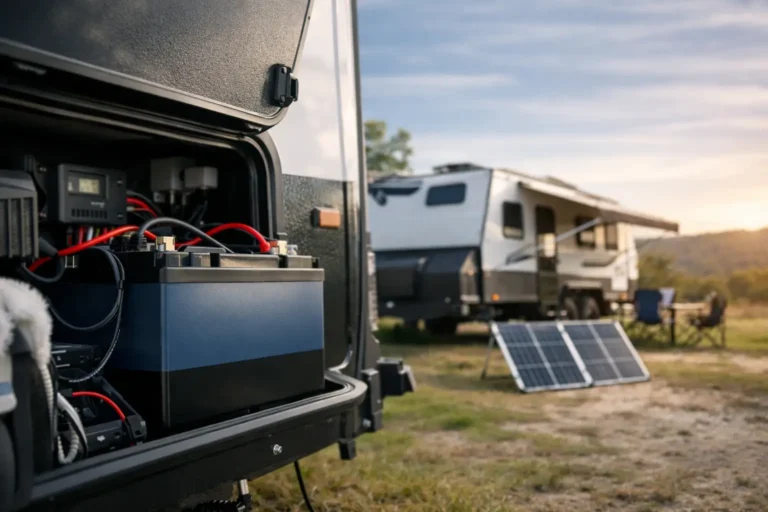
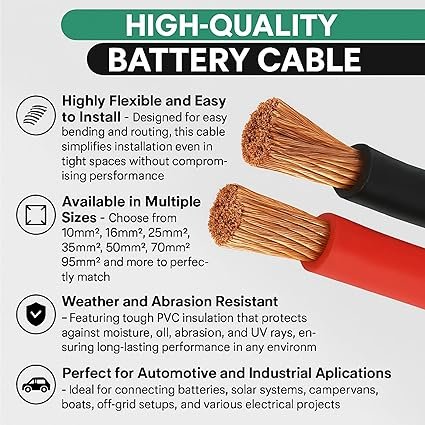
This is the part many people miss. A 2000W inverter on a 12V system can draw a very high current. That means thicker cables, better fusing, sound installation and enough battery capacity to support it. Without that, the inverter rating looks impressive on the box but disappoints in real use.
Battery capacity matters just as much
An inverter does not create power. It converts the 12V or 24V supply from your leisure batteries into usable mains electricity. So if your battery storage is limited, your inverter use will be limited too.
For example, running a laptop for a while is one thing. Running a kettle, air fryer or hairdryer from battery power is something else entirely. High-wattage appliances can flatten a battery bank much faster than many owners expect. Even if the inverter can technically run the appliance, that does not mean your set-up should.
Lithium batteries give more usable capacity and cope far better with heavier discharge than traditional lead-acid or AGM batteries. If you are building a serious off-grid system, lithium plus a quality inverter makes a lot of sense. If you have a single older leisure battery and mainly stay on hook-up, a smaller inverter may be the smarter buy.
It also helps to think about how you recharge. If you rely on occasional driving alone, power use needs to stay sensible. If you have solar, a battery-to-battery charger or regular campsite hook-up, you have more flexibility.
What size inverter suits different motorhome habits?
There is no single best answer because touring styles differ.
If you mainly use campsites with electric hook-up and only want backup mains for charging a few devices while travelling or on brief stops, a compact pure sine wave inverter is often enough. Something modest keeps installation simpler and avoids unnecessary battery drain.
If you enjoy weekends off-grid and want to run a television, laptop, chargers and the occasional kitchen gadget, a mid-range inverter can be a good balance. This is often the sweet spot for many couples and families who want more comfort without rebuilding the whole electrical system.
If you are planning extended wild camping and want to use more domestic-style appliances, you need to think bigger than just the inverter. At that point, you are really planning a complete power system – inverter, battery bank, charging sources, cabling and ventilation all working together.
That is often where buyers do best by treating the inverter as one piece of the puzzle rather than the headline purchase.
Installation is not the place to cut corners
Even the best inverter will perform poorly if it is badly installed. This is especially true with larger units, where cable length, cable thickness, fuse protection and battery connections all matter.
The inverter should usually be mounted as close to the battery bank as practical to reduce voltage drop, while still allowing proper airflow and access. It should not be tucked into a cramped area where heat builds up. Many units have cooling fans, and they need room to breathe.
You also need to check whether you want simple plug-in sockets on the inverter itself or a more integrated set-up feeding selected sockets in the motorhome. The second option can be tidier and more convenient, but it needs careful planning and, in many cases, professional installation. If you are unsure around mains electrics, this is one area where expert help is money well spent.
A cheap inverter installed badly can be more trouble than a good smaller unit installed properly.
Features worth paying for
Some extras are genuinely useful rather than just sales talk. A remote control panel is handy if the inverter is mounted out of sight, especially in a motorhome where storage spaces can be awkward. Low-voltage shut-off is another important feature because it helps protect your batteries from being over-discharged.
Efficiency ratings matter too. A more efficient inverter wastes less power as heat, which is good news when every amp-hour counts. Built-in safety protections for overload, overheating and short circuit are standard features you should expect, not luxuries.
Noise can also be worth checking. Some fans are more noticeable than others, which matters if the inverter is fitted near seating or sleeping areas.
Common buying mistakes
The biggest mistake is choosing by peak power instead of realistic continuous use. Some appliances have a start-up surge, so the inverter must handle that, but your day-to-day load is what matters most.
Another common error is trying to run heating appliances from a modest battery set-up. Just because something works for a few minutes in a test does not mean it is practical on tour. Hairdryers, kettles and fan heaters are where expectations often outrun battery reality.
There is also a tendency to underestimate future needs. If you are already thinking about solar upgrades, more battery capacity or longer off-grid trips, it can make sense to buy an inverter with a bit of headroom. Not huge excess, just sensible room to grow.
At the same time, there is no prize for buying a 3000W unit to charge two phones and a tablet. The best value is the inverter you will genuinely use.
So, which power inverter for a motorhome is right?
For many buyers, the safest recommendation is a pure sine wave inverter sized around actual daily use, not wishful thinking. If your needs are light, stay light. If you want to power more demanding kit, make sure your battery system can support it first.
A beginner with simple charging and entertainment needs may be perfectly happy with a smaller unit. A regular off-grid traveller will often be better served by a mid-range pure sine wave inverter paired with decent battery capacity and solar support. A heavy-use set-up can work brilliantly too, but only when the whole electrical system is planned properly.
That is really the key. The right inverter should make your motorhome feel more convenient, not more complicated. Choose for the way you actually travel, buy with your battery bank in mind, and you will end up with a set-up that supports more comfortable, more relaxed time on the road.