Is a Lithium Battery Worth It for Your Caravan?
A wet weekend on a CL site quickly shows the difference a leisure battery can make. Heating controls, lights, water pump, mobile phone charging and a television can all draw power before you have even put the kettle on. So, is lithium battery worth it for a caravan, motorhome or campervan? For many regular tourers, yes – but only when the battery, charger and charging habits suit the way they travel.
Lithium is not simply a more expensive version of a traditional leisure battery. It gives more usable power, weighs far less and recharges much faster, but the upfront cost is higher and some older charging systems need attention first. The best choice comes down to how often you camp without a mains hook-up, how much power you use and whether you are upgrading a whole off-grid setup or just replacing a tired battery.
Is a lithium battery worth it for touring?
For frequent off-grid touring, a lithium iron phosphate battery – usually labelled LiFePO4 – can be one of the most useful upgrades you make. It is especially attractive for motorhome and campervan owners who rely on solar panels, spend several nights away from hook-up, or want to run more than basic lighting and a water pump.
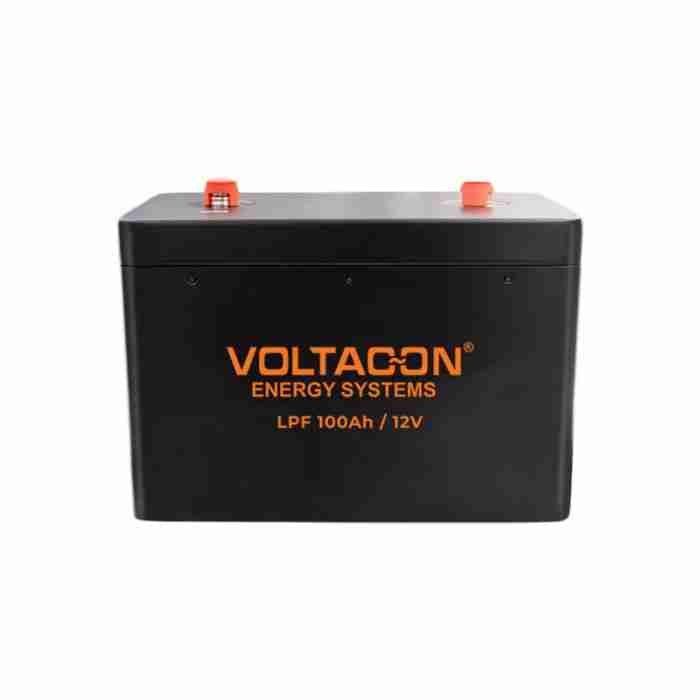
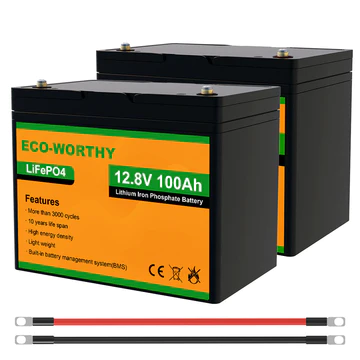
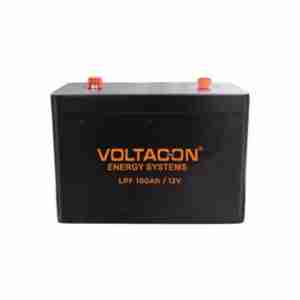
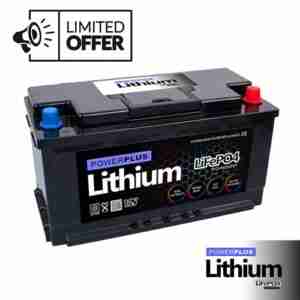
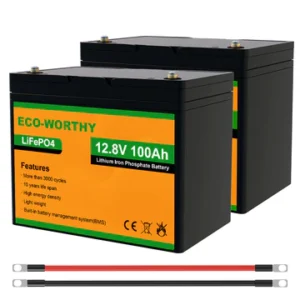
The main advantage is usable capacity. A typical lead-acid or AGM leisure battery is best treated as around 50% usable if you want a reasonable service life. Taking it flat on a regular basis shortens its life. A quality LiFePO4 battery can normally be used to a much greater depth of discharge, often 80% to 90% or more depending on the manufacturer’s guidance. In practical terms, a 100Ah lithium battery may provide roughly the usable energy of a much larger lead-acid battery.

That matters when you are trying to keep the lights on through a long evening, running a compressor fridge from an inverter, charging e-bikes, or simply avoiding the worry of checking the battery monitor every few hours. It also means you may be able to fit one lighter battery instead of two bulky conventional ones.
However, if your caravan mainly sits on seasonal pitch hook-up, or you only take short weekend breaks with modest 12V use, a good AGM battery can still offer sensible value. Lithium pays back through performance and longevity, not through being the cheapest option on day one.
Recommended Reading
The benefits you notice on the road
Weight is a major reason many leisure vehicle owners consider lithium. A 100Ah lead-acid battery can weigh around 25kg or more, while an equivalent LiFePO4 unit may be closer to 10kg to 13kg. In a caravan, that makes payload planning easier. In a motorhome or campervan, it can free up useful carrying capacity for bikes, chairs, food and holiday essentials.
Lithium batteries also hold their voltage more steadily as they discharge. With lead-acid, you may notice lights dimming or equipment cutting out as the battery gets low. Lithium generally delivers consistent voltage for much longer, which helps sensitive appliances and inverters work more reliably.
Charging speed is another genuine convenience. A lithium battery can accept a higher charge current for much of its charging cycle, whereas lead-acid batteries slow down significantly as they approach full charge. If you drive between stopovers, use solar power or run a generator occasionally, lithium can make much better use of that limited charging time.
A longer working life can soften the higher purchase price too. A quality lithium battery may deliver several thousand cycles when used and charged correctly. Traditional lead-acid batteries usually have a far shorter cycle life, particularly if they are regularly discharged deeply. For a keen tourer, avoiding several battery replacements over the years can make the upgrade easier to justify.
The cost and compatibility checks to make first
The headline price is the biggest barrier. Lithium leisure batteries can cost several times more than a comparable lead-acid option. It is tempting to choose the lowest-priced unit, but battery quality matters. Look for a reputable LiFePO4 battery with a built-in battery management system, clear warranty terms and specifications that suit your intended loads.
The battery management system, often called a BMS, protects the cells from overcharging, excessive discharge, overheating and high current draw. It is a key safety feature, but it can also shut the battery down if a powerful inverter or appliance exceeds its limits. Check both the continuous and peak discharge ratings before expecting a compact battery to run a high-wattage coffee machine, hairdryer or microwave.
Compatibility is the other essential check. Your existing mains charger, solar controller and vehicle charging arrangement may have been designed for lead-acid batteries. Some chargers have a lithium profile, or can be set to one. Others may charge the battery imperfectly, fail to bring it to full charge, or use an unsuitable maintenance mode.
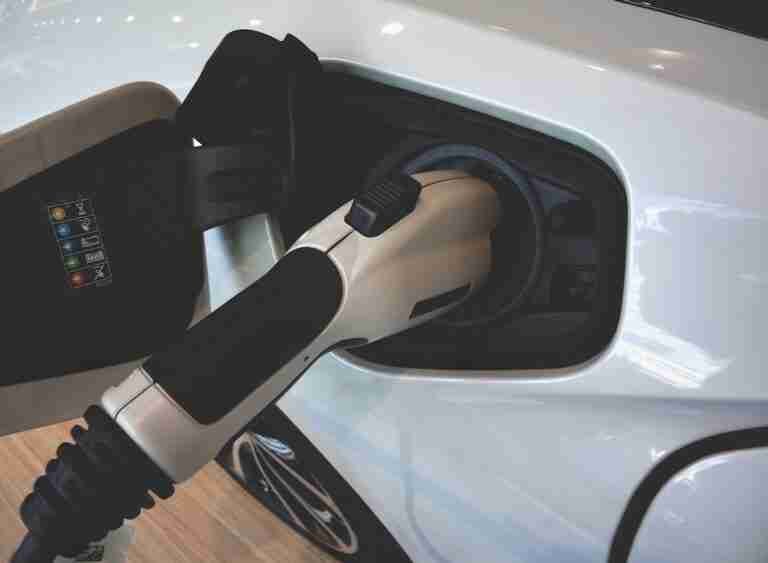
In motorhomes and campervans, alternator charging deserves particular care. Lithium batteries can draw high current for long periods, which may put strain on an alternator not designed for that demand. A properly specified DC-to-DC charger is often the right answer. It limits the current, provides the correct charging stages and makes the installation more dependable. If you are unsure, ask a qualified leisure vehicle electrician before fitting the battery.
Cold weather is the lithium catch
Lithium batteries work well in many UK touring conditions, but they have one important weakness: most should not be charged below 0°C. Discharging at low temperatures is usually less of an issue, but charging a frozen lithium battery can damage its cells.
That does not rule out winter touring. It means you need the right product and installation location. Some batteries include low-temperature charge protection, which prevents charging until the cells warm up. Others have internal heating. A battery mounted inside a heated locker or living area is naturally better protected than one exposed in an external compartment.
Do not assume every lithium battery handles cold weather in the same way. Read the operating temperature limits, and consider where your caravan or motorhome battery lives during frosty trips and winter storage.
Choosing the right size lithium leisure battery
Capacity should be based on your actual use rather than simply buying the biggest battery that fits. Start with the appliances you run from 12V and how long you use them. LED lighting and USB charging have a small impact. A compressor fridge, television, laptop charging, powered satellite system, inverter and e-bike charger can change the calculation quickly.
A 100Ah lithium battery is a popular starting point for couples with normal off-grid use, particularly alongside solar. Families, winter tourers and anyone using an inverter may need 150Ah, 200Ah or more. Remember that an inverter can turn a modest-looking mains appliance into a serious battery load. A 1,000W appliance can draw well over 80 amps from a 12V battery once losses are considered.
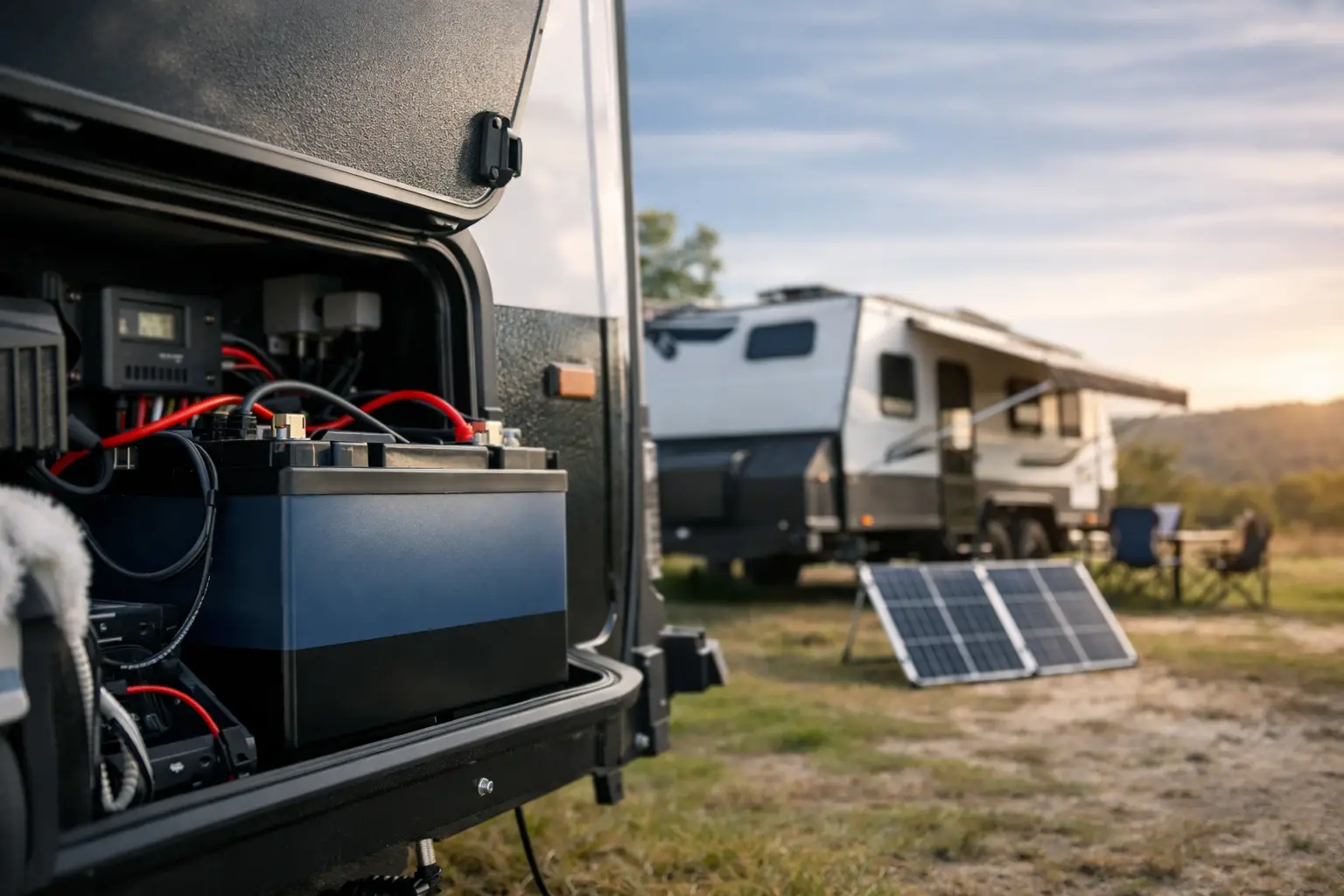
Also check the physical dimensions, terminal layout, mounting method and usable locker space. A lighter battery is easier to handle, but it must still be secured properly for travel. For caravans, keep an eye on noseweight and payload. For motorhomes, consider access for inspection, cable routing and ventilation requirements specified by the battery maker.
When a traditional battery is still the better buy
An AGM or lead-acid leisure battery remains a sensible choice if you use mains hook-up for most holidays, have low electrical demands and need to keep the initial spend down. It can also be the simpler route if your charging equipment is older and you do not plan to replace or reconfigure it.
For occasional summer weekends, the money saved could go towards a decent solar panel, levelling equipment, an awning or other kit that improves your time away. There is no prize for fitting lithium when your existing battery already covers your needs.
On the other hand, if you regularly seek quieter stopovers, enjoy longer stays away from site electrics or are tired of carefully rationing power, lithium changes the experience. The gain is not just extra amp-hours on paper. It is the confidence to use your caravan or motorhome as you intended, without treating every light switch as a calculation.
Before buying, match the battery to your charger, solar controller, alternator setup and likely power use. A correctly specified lithium system can make touring feel lighter, simpler and far more independent – leaving you free to choose the view rather than the nearest hook-up bollard.