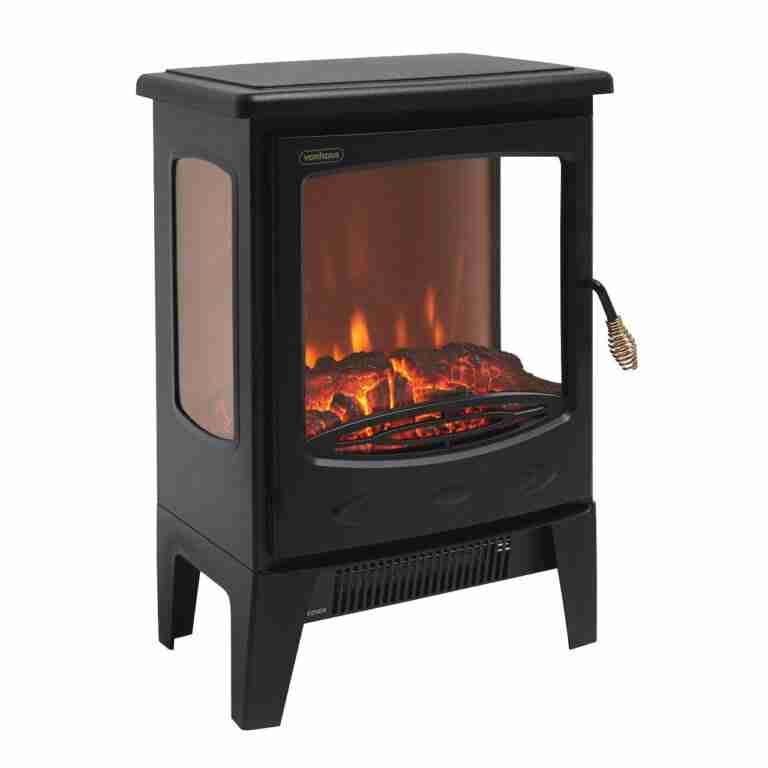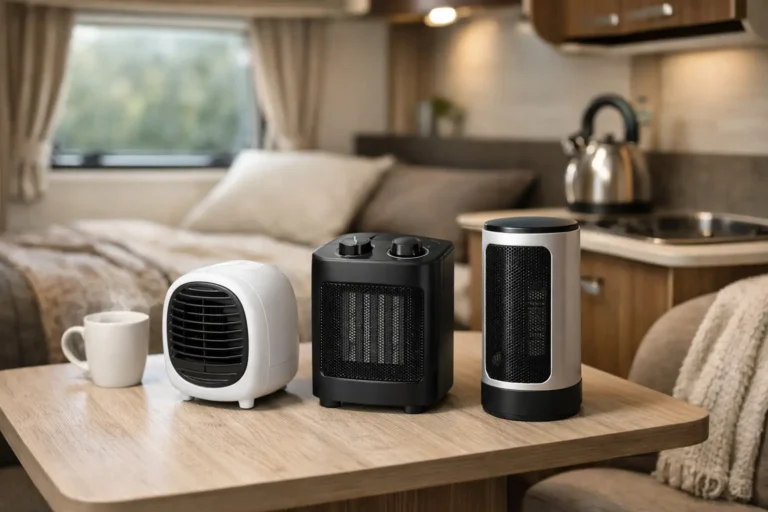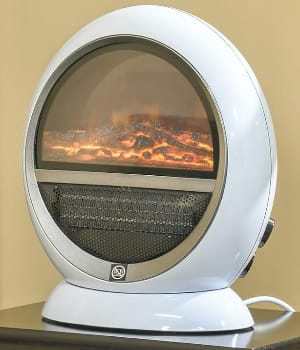
A cold caravan has a way of making everything feel smaller. The seats are less inviting, the washroom feels freezing, and even making a brew starts to feel like hard work. That is why a portable gas heater caravan setup appeals to so many UK tourers, especially in shoulder season when site temperatures drop quickly after sunset.
The appeal is obvious. Portable gas heaters are compact, relatively simple to use and can provide quick warmth without needing a full fixed heating upgrade. For many caravan owners, that sounds like an easy win. The catch is that not every heater is suitable for every van, every pitch or every style of touring, and gas appliances always demand a sensible approach.
Is a portable gas heater for a caravan a good idea?
Sometimes yes, sometimes no. A portable gas heater can be a practical option if you want extra warmth for short periods, if your fixed heating is underpowered, or if you mainly tour in spring and autumn and need a bit of targeted heat in the evening.
Where people get caught out is assuming all portable gas heaters are caravan-friendly by default. They are not. Some are designed more for garages, workshops or outdoor use. Others may be too bulky for a smaller tourer, too powerful for the space, or unsuitable from a ventilation and condensation point of view.

Compact 2‑in‑1 gas heater and stove ideal for off‑grid caravan or motorhome pitches, giving you 1.3kW of controllable warmth and hot food from the same unit. Runs on butane or propane, so it’s easy to integrate with typical touring gas setups without stealing valuable locker space.
Pitch Comfort: 1.3kW output for awning or porch warmth
Fuel Flexibility: Compatible with butane and propane cylinders
Space Saving: Combined heater and cooker in one unit
For many caravanners, the real question is not whether a portable gas heater can produce heat. It is whether it can do so safely, efficiently and without creating a fresh set of problems inside a compact living area.
What matters most before you buy
Size of your caravan
A two-berth tourer needs a very different heating approach from a larger family caravan. Too little heat and you will still be reaching for blankets. Too much and the van can become stuffy very quickly.
Portable gas heaters are often sold by heat output, usually in kilowatts. Higher output is not automatically better. In a smaller caravan, a modest heater with controllable settings is usually more useful than a powerful unit that runs hot all the time.
Ventilation and safe use
This is the big one. Any gas appliance used in a caravan needs proper ventilation and careful attention to manufacturer guidance. Portable gas heaters can consume oxygen and, depending on design, may add moisture to the air. In a tight indoor space, that matters.
If you are considering one, safety features should be near the top of your checklist. Look for things such as flame failure protection, oxygen depletion shut-off and tip-over protection. These are not luxury extras. They are basic reassurance for a confined touring environment.
How you tour
If you stay mostly on serviced sites with electric hook-up, an electric heater may often make more sense for routine use. If you prefer off-grid stops, rallies or simpler pitches, gas becomes more attractive because it does not depend on site power.
That is where your touring habits should guide the purchase. The best option for a winter weekend away without hook-up may be completely different from the best option for summer use with occasional chilly mornings.
The trade-offs of using gas heat in a caravan
Portable gas heaters do have strong selling points. They can give fast warmth, they are useful when mains electricity is limited or unavailable, and many owners like the independence they offer when touring away from busy sites.
But there are trade-offs. Gas heaters can increase condensation in some cases, and condensation is already one of the least welcome caravan companions in cooler weather. You may also need to store gas canisters or connect to a larger bottle, which takes up room in a vehicle where every cupboard and locker matters.
Then there is the question of routine convenience. A fixed blown-air or wet heating system is usually easier to live with day after day because it is built into the van. A portable heater is more of a flexible add-on. That flexibility is useful, but it does come with handling, storage and setup considerations.
Portable gas heater caravan options compared
There is no single perfect style for every buyer. Broadly, you will come across compact cabinet-style heaters, radiant models and catalytic heaters.
Radiant heaters are often chosen for quick, direct warmth. They can be effective, but they may feel more intense close up and less even across the whole van. Catalytic models are often seen as a gentler option and are popular with people looking for quieter background heat. Cabinet designs can be convenient if you want something self-contained and mobile, though size can become an issue in tighter layouts.
For caravan use, compactness matters almost as much as performance. A heater that works brilliantly in a conservatory may be awkward inside a tourer once you account for walkways, seating, pets, children or simply reaching the kitchen at night.
Features worth paying for
A low price can be tempting, but in this category the better buy is often the model that saves hassle rather than just pounds. Good controls are worth having because caravan temperatures can swing quickly between chilly and too warm.
A clear ignition system, stable base, sensible carry handles and straightforward gas connection all help in real use. Safety shut-off systems are even more important. If a heater does not clearly state the protections built into it, that should give you pause.
Noise is another overlooked factor. If you tour for peace and quiet, a heater that clicks, hums or blasts heat aggressively can become tiresome. In a caravan, there is nowhere to hide from a noisy appliance.
Running costs and practical value
Gas heat can be very handy, but it is still worth thinking about cost over a full touring season. Usage, bottle size and heater output all affect value. A cheaper heater that burns through gas quickly may be less attractive after a few trips than a more efficient model with better control.
The smartest way to assess value is to think beyond the purchase price. Ask how often you will use it, whether it fills a real gap in your setup, and whether it will reduce the need for other heating options. If it only comes out once a year, the lowest-priced basic model may do the job. If it is likely to become part of your regular touring kit, quality becomes far more important.
When a portable gas heater is the wrong choice
There are situations where it simply may not be the best answer. If your caravan already has dependable built-in heating, a portable unit could end up being one more thing to store and carry. If you mostly use full-facility sites, an electric panel or fan heater may be simpler.
It can also be the wrong fit for very small caravans where floor space is already at a premium. In those layouts, even a compact portable heater can feel intrusive. And if you are uneasy about managing gas appliances indoors, that hesitation is worth listening to. Comfort on holiday is not just about temperature. It is also about peace of mind.
How to choose with confidence
The easiest way to narrow the field is to start with your actual touring pattern. Think about the months you travel, whether you rely on hook-up, how much spare space you have and how often you genuinely need extra heat.
From there, look for a heater that matches the caravan rather than just the weather forecast. Controlled output, compact dimensions and recognised safety features usually matter more than chasing maximum heat. For many buyers, the best product is the one that quietly and reliably takes the edge off a cold evening without dominating the living space.
That practical approach is what makes shopping easier. At Caravan Motorhome RV, the aim is not to push the biggest or flashiest bit of kit, but to help touring owners find products that suit the way they actually travel.
A few final safety-minded buying points
Always check the heater is suitable for the intended environment and follow the maker’s instructions exactly. Keep clear space around the unit, never block ventilation, and be realistic about where it can be placed inside the caravan. If children or pets travel with you, stability and guarding become even more important.
It also makes sense to treat any heating upgrade as part of a wider comfort setup. Good insulation, draught reduction and dry bedding all work with your heater, not against it. The result is often a warmer van with less energy wasted and fewer cold spots to battle.
A portable gas heater can make chilly touring far more comfortable, but the right one should feel like a helpful companion, not a compromise you are constantly working around. Buy for your caravan, your travel habits and your peace of mind, and those colder evenings on site become much easier to enjoy.