Deep Cycle Leisure Battery – a comprehensive guide to deep cycle leisure batteries, including their definition, benefits, how to choose the right one, maintenance tips and popular brands to consider.
Deep cycle leisure batteries sit at the heart of modern off‑grid living, powering everything from campervans and boats to garden offices and backup systems. Unlike standard car batteries, they’re designed to deliver steady power over long periods, charge after charge. Understanding what they are, how they work, and how to look after them can dramatically improve performance, reliability, and lifespan.
Whether you’re planning a long touring holiday, upgrading a narrowboat system, or building a solar-powered cabin, choosing the right deep cycle leisure battery is one of the most important decisions you’ll make. The wrong choice can mean frustration, short battery life, and unexpected failures; the right choice delivers dependable power and peace of mind.
This guide explains what deep cycle leisure batteries are, how they differ from regular batteries, the main types you’ll come across, and how to size, use, and maintain them properly. By the end, you’ll be able to make informed decisions that suit your budget, your usage pattern, and your long‑term plans.

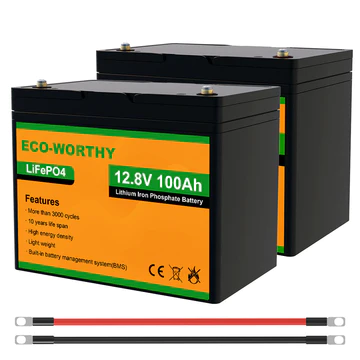
High-capacity 12V deep cycle leisure battery designed for long off-grid stays, keeping caravan and motorhome electrics running smoothly. Ideal for powering lights, pumps, movers and 12V accessories without frequent recharging on site.
Power Capacity: 12V, 130Ah for extended pitch off-grid use
Deep Cycle: Built to withstand regular discharge and recharge cycles
Touring Ready: Sized for lockers in caravans, motorhomes, campervans
Deep Cycle Leisure Batteries: A Complete Guide
Deep cycle leisure batteries are designed to provide a steady flow of power over an extended period and to be discharged and recharged (cycled) many times. They’re used to run “house” or “leisure” loads such as lights, fridges, pumps, fans, inverters, and electronics in caravans, motorhomes, boats, and off‑grid systems. Unlike the starter battery in a car, which delivers a short, powerful burst to crank an engine, a deep cycle battery is all about endurance and stability.
The internal construction is what sets them apart. Deep cycle batteries use thicker lead plates (in lead‑acid variants) or specialised cell chemistry (in lithium variants) that tolerate repeated deep discharges without rapid degradation. This design lets them regularly deliver 50–80% of their rated capacity without suffering the severe damage that a starter battery would under similar use. In practice, that means you can rely on them for hours of continuous power, then recharge and repeat, sometimes for thousands of cycles.
In leisure and marine setups, these batteries are typically isolated from the vehicle’s starter battery, either with a split‑charge relay, battery-to-battery charger, or a dedicated solar charge controller. This separation ensures that even if you heavily discharge the leisure battery while camping, you still have enough power in your starter battery to fire up the engine. Over time, many users move from basic wet lead‑acid leisure batteries to more advanced AGM, gel, or lithium options for better performance and longer life, especially when combined with solar.
How Deep Cycle Leisure Batteries Differ from Starter Batteries
Starter batteries are optimised for very high current over a very short time. Their internal plates are thinner and have a larger surface area, allowing them to deliver the cold cranking amps (CCA) needed to turn over engines in harsh conditions. However, this same design makes them highly vulnerable to deep discharge; using a starter battery like a deep cycle battery will quickly sulfate and ruin it. They’re great at doing one job very well, but they are not built for sustained power delivery.
Deep cycle leisure batteries flip that design priority. With thicker plates and more robust separators, they are built to deliver a lower current for much longer, and to be regularly discharged far more deeply. In performance terms, they usually have much lower CCA than a starter battery of the same size but a far greater cycle life when used correctly. If you routinely draw power over hours rather than seconds, the deep cycle battery wins every time.
For many setups, you’ll find both types installed: one starter battery to handle the engine, and one or more leisure batteries for everything else. They may share charging sources (alternator, solar, mains charger) but should be electronically separated in use. Confusing these roles or trying to make one battery do both can be a false economy, leading to premature failure and, in the worst case, a stranded vehicle or boat.
Types of Deep Cycle Leisure Batteries
Lead‑acid batteries remain the most common and affordable type of deep cycle leisure battery. Within this category, you’ll encounter flooded (wet) batteries, AGM (Absorbent Glass Mat), and gel versions. Flooded batteries are typically the cheapest but may require periodic topping up with distilled water and must be installed upright with appropriate ventilation. AGM and gel batteries are sealed, spill‑proof, more vibration‑resistant, and generally tolerate deeper discharge and a wider range of mounting positions, albeit at a higher cost.
Lithium iron phosphate (LiFePO₄) leisure batteries are the premium option and have become increasingly popular. They’re much lighter than lead‑acid, can typically be discharged to 80–90% of capacity without serious damage, and may offer 2,000–5,000+ cycles if properly managed. They also hold voltage more consistently as they discharge, which can benefit sensitive electronics and inverters. Their main drawbacks are higher upfront cost and the need for suitable charging equipment and a built‑in or external battery management system (BMS).
You may also see so‑called “dual purpose” or “marine” batteries, designed to do a bit of both starting and cycling. These can work for light leisure use but are a compromise; they usually won’t last as long in deep‑cycle service as a dedicated leisure battery. When your priority is running house loads for extended periods, a true deep cycle battery (whether lead‑acid or lithium) almost always provides better long‑term value.
Understanding Capacity, Voltage, and Depth of Discharge
Battery capacity is usually expressed in amp‑hours (Ah) at a given voltage (commonly 12 V for leisure systems, sometimes 24 V or 48 V in larger setups). Ah is a measure of how much energy the battery can theoretically deliver: a 100 Ah battery could, under ideal conditions, provide 5 amps for 20 hours. In practice, usable capacity depends on the depth of discharge (DoD) you’re willing to use, the age and temperature of the battery, and the load profile.
Depth of discharge is critical for battery life. Traditional lead‑acid deep cycle batteries last longest when you limit regular discharge to about 50% of their rated capacity. Discharging to 80–100% frequently will drastically shorten their lifespan. Lithium batteries, by contrast, are comfortable with much deeper discharges, often 80–90% DoD, while still giving thousands of cycles. This is why a 100 Ah lithium battery can often replace 200 Ah (or more) of lead‑acid in real‑world use.
Voltage is usually fixed by your system design. Most campervans, caravans, and small boats run 12 V systems, sometimes wired in parallel with multiple 12 V batteries to increase capacity. Larger off‑grid setups might wire batteries in series to create 24 V or 48 V banks, improving efficiency for inverters and reducing cable sizes. Whatever the nominal voltage, maintaining proper charge voltages (bulk, absorption, float) according to the battery type is essential for performance and longevity.
How to Choose and Maintain Your Deep Cycle Leisure Battery
Choosing the right deep cycle leisure battery starts with defining your power needs. List the appliances you plan to run (lights, fridge, water pump, heaters, fans, chargers, laptops, etc.), note their wattage, and estimate how many hours per day each will be used. Convert total daily watt‑hours to amp‑hours by dividing by system voltage (for a 12 V system, Ah ≈ Wh ÷ 12). This gives you an estimate of how much energy you’ll use each day.
Next, factor in your desired autonomy and allowable depth of discharge. If your daily use is 60 Ah and you’re using lead‑acid batteries with a recommended 50% maximum discharge, you’ll want at least 120 Ah of usable capacity, and ideally a bit more for comfort and aging. If you switch to lithium and are comfortable using 80% of capacity, you might only need around 80–100 Ah to achieve the same usable energy. Consider whether you’ll be recharging daily (via driving, solar, or mains) or whether you need several days of reserve.
Finally, weigh up physical constraints and budget. Check available space, allowable weight, and ventilation in your vehicle or boat. Lead‑acid batteries are heavier and bulkier for a given usable capacity; lithium batteries are lighter and more compact but cost more upfront. If you camp only occasionally and mostly on hook‑up, a mid‑range AGM battery may be enough. If you spend weeks off‑grid relying on solar, a well‑sized lithium bank can provide far better performance and lifespan, often making up the cost over time.
Installation, Charging, and Everyday Use
Proper installation is essential for safety and performance. Batteries should be securely mounted, protected from excessive heat, and, in the case of flooded lead‑acid, housed in a ventilated compartment to disperse any hydrogen gas produced during charging. Cables must be correctly sized for the currents involved, with solid connections and appropriate fusing close to the battery positive terminal to protect against shorts. Poor cabling and loose terminals are common causes of voltage drop, poor performance, and even fire.
Charging needs to match the battery chemistry. Modern multi‑stage chargers (mains chargers, solar charge controllers, or DC‑DC chargers from the alternator) are strongly recommended. They run through bulk, absorption, and float stages at voltages tailored for AGM, gel, flooded, or lithium batteries. Using an old, unregulated charger or relying solely on an alternator without a smart DC‑DC charger can lead to chronic undercharging or overcharging, both of which shorten battery life. Always set your chargers to the specific profile recommended by the battery manufacturer.
In daily use, try to avoid consistently draining lead‑acid batteries below 50% state of charge. A basic battery monitor or even a good voltmeter can help you keep an eye on this, though true shunt‑based monitors give the most accurate picture of state of charge. For lithium batteries, make sure the BMS is correctly configured, and observe any temperature limits for charging and discharging. Keep heavy loads, such as inverters powering kettles or hair dryers, as short as possible unless you have a generously sized battery bank.
Maintenance and Extending Battery Life
Lead‑acid batteries benefit from regular care. If you use flooded (wet) batteries, check electrolyte levels periodically and top up with distilled water when needed, taking safety precautions and avoiding overfilling. It’s also good practice to keep terminals clean, tight, and lightly greased to prevent corrosion. Equalisation charging (a controlled overcharge) may occasionally be recommended for flooded batteries to help balance cells and reduce sulfation, but it must be done carefully and only if specified by the manufacturer.
The single biggest killer of lead‑acid deep cycle batteries is chronic undercharging. Leaving them partially charged for long periods leads to sulfation, a hardening of lead sulfate crystals on the plates that permanently reduces capacity. To prevent this, bring your batteries up to full charge regularly, particularly after deep discharges. If your vehicle or boat is laid up for the winter, consider using a quality maintenance charger or solar trickle charger to keep the batteries healthy.
Lithium batteries require much less routine maintenance, but they’re not completely fit‑and‑forget. Ensure that the BMS can properly protect against overcharge, over‑discharge, and high/low temperatures, and that your chargers and alternator (if used) are compatible. Avoid storing lithium batteries at 100% charge for extended periods; a partial charge (around 40–60%) is usually healthier for long‑term storage. For all battery types, try to keep them in a moderate temperature range, as extreme heat or cold accelerates wear and reduces usable capacity.
Deep cycle leisure batteries underpin reliable off‑grid power, but their performance and lifespan hinge on matching the right technology to your needs and looking after it correctly. By understanding the differences between starter and deep cycle batteries, comparing lead‑acid and lithium options, and sizing capacity based on your real‑world usage, you can build a system that works with you rather than against you.
Taking the time to install quality cabling and chargers, monitor state of charge, and follow basic maintenance routines will pay back many times over in reliability and reduced replacement costs. For light, occasional use, a modest AGM or gel battery may be perfectly adequate; for extended touring or solar‑heavy setups, investing in lithium and a smart charging system can transform your experience.
Ultimately, a well‑chosen and well‑maintained deep cycle leisure battery gives you the freedom to enjoy comfort and convenience wherever you park, anchor, or build—without constantly worrying about running out of power. With the principles in this guide, you’ll be in a strong position to design and care for a system that suits your lifestyle today and can grow with you tomorrow.