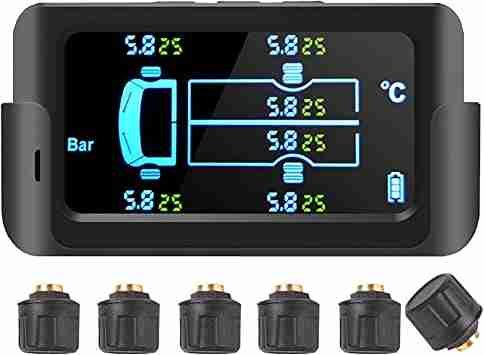
Tyre Pressure Monitoring System TPMS For Motorhome RV
A Tyre Pressure Monitoring System (TPMS) is an advanced technology designed to enhance vehicle safety by monitoring the air pressure in tyres. By employing sensors that can provide real-time data, TPMS plays a pivotal role in ensuring that tyres are adequately inflated, which is crucial for optimal vehicle performance and fuel efficiency. An adequately inflated tyre not only improves handling and braking but also prolongs tyre life, making TPMS an essential component for motorhomes and recreational vehicles (RVs).
TPMS operates using either a direct or an indirect method. Direct TPMS uses sensors that are located inside the tyre itself, which measure the exact pressure levels. This system provides precise data and alerts the driver immediately if there’s a drop in pressure, often triggered by punctures or leaks.
On the other hand, indirect TPMS does not involve physical sensors in the tyre. Instead, it relies on wheel speed sensors that detect variations in the rotation of tyres, indicating potential pressure drops due to differences in circumference. While indirect systems are generally less expensive and easier to install, they may not provide immediate alerts for small reductions in tyre pressure.
The importance of monitoring tyre pressure cannot be overstated. Under-inflated tyres can lead to increased fuel consumption, poor handling, and a higher risk of blowouts. For motorhomes and RVs, which often carry heavier loads, maintaining correct tyre pressure is even more critical. Regular monitoring through TPMS provides peace of mind, allowing drivers to focus on their journey rather than on potential tyre failures. It fosters a proactive approach to vehicle maintenance, underscoring the necessity of integrating such a system for any motorhome or RV owner.

Safety Benefits of TPMS in Motorhomes and RVs
The implementation of a Tyre Pressure Monitoring System (TPMS) in motorhomes and recreational vehicles (RVs) significantly enhances safety, particularly in maintaining optimal tyre pressure. Correct tyre pressure is crucial for ensuring vehicle stability, especially given the weight distribution and size of motorhomes compared to standard vehicles. When tyres are inflated to the recommended pressure levels, they provide better traction and control, which is essential for maintaining handling during turns and while navigating uneven terrain.
Moreover, an under-inflated tyre can lead to increased friction and heat build-up, which dramatically raises the risk of blowouts. Such incidents can be particularly dangerous in larger vehicles like motorhomes, where a sudden loss of tyre pressure can compromise the driver’s ability to control the vehicle. By utilizing a TPMS, drivers are alerted to any significant changes in tyre pressure, allowing for timely intervention before a potentially hazardous situation arises.
Recommended Reading



Statistics show that vehicles equipped with TPMS have a lower incidence of tyre-related accidents. For instance, the National Highway Traffic Safety Administration (NHTSA) reports that tyre-related crashes account for a significant percentage of vehicle accidents annually. The proactive alert system of a TPMS can contribute to reducing these figures; many drivers have reported averting mishaps thanks to early warnings issued by their TPMS. Instances of premature tyre wear and failures can also be mitigated, prolonging the lifespan of the tyres and ensuring that the vehicle operates safely.
In conclusion, incorporating a TPMS in motorhomes and RVs not only enhances the overall safety of the vehicle but also protects the wellbeing of its passengers. The system’s ability to provide real-time monitoring plays a pivotal role in preventing accidents and ensuring a safer driving experience on the road.
Enhancing Tyre Longevity with TPMS
The longevity of tyres is a crucial aspect of vehicle maintenance, particularly for motorhomes and RVs that often log extensive miles. A Tyre Pressure Monitoring System (TPMS) plays an essential role in extending the lifespan of these tyres. Research indicates that maintaining optimal tyre pressure can greatly influence not only fuel consumption but also tyre wear. When tyres are consistently inflated to recommended levels, they exhibit reduced tread wear, which consequently enhances their durability.
When tyre pressure deviates from the ideal range—whether too low or too high—it can lead to uneven tyre wear, increase rolling resistance, and decrease overall vehicle efficiency. A TPMS provides real-time monitoring, alerting drivers to any changes in tyre pressure, thereby allowing for immediate corrective action. This proactive monitoring aids in maintaining ideal tyre conditions, ensuring they do not operate under stress which often leads to premature degradation.
Beyond just monitoring, the TPMS can assist in regular tyre maintenance. For instance, vehicle owners can schedule periodic inspections based on TPMS readings. If a tyre consistently shows lower pressure, it may indicate a slow leak or other issues that require attention. Regular checks and adjustments to maintain proper pressure can lead to considerable savings in replacement costs over time.
Moreover, establishing the habit of assessing TPMS alerts can lead to better driving practices. Drivers who heed pressure warnings and perform necessary adjustments not only enhance the life of their tyres but also ensure their safety on the road. Incorporating a TPMS into routine vehicle inspections translates into informed management of tyre conditions, ultimately promoting longevity and reliability of the vehicle.
Early Warning Signs of Tyre Problems and Cost Savings
A Tyre Pressure Monitoring System (TPMS) serves as an essential component for maintaining the safety and performance of motorhomes and RVs. By continuously monitoring tyre pressure, it can provide early warning signs of potential tyre problems, such as slow leaks or punctures. These issues, if left unnoticed, can escalate into more severe problems, leading to costly repairs or dangerous situations on the road.
One of the primary advantages of a TPMS is its ability to alert drivers as soon as tyre pressure deviates from the recommended level. This immediate notification allows for timely intervention, enabling owners to check and rectify any issues before they worsen. For example, a slow leak that may have otherwise gone undetected can easily lead to a flat tyre if not addressed. By catching these problems early, vehicle owners can avoid emergency repairs that often come with inflated costs, especially during roadside assistance scenarios.
Moreover, addressing tyre issues promptly can significantly enhance fuel efficiency. Under-inflated tyres tend to increase fuel consumption, leading to higher operational costs over time. Consequently, maintaining optimal tyre pressure not only enhances safety but also fosters long-term savings in fuel expenses.
When a TPMS alerts the driver, interpreting the notification is crucial. Most systems provide clear indications about the level of pressure drop or specific tyres affected. Owners should be familiar with their vehicle’s manual to understand the context of the alerts and act accordingly. This may involve checking the tyre pressure using a gauge or visually inspecting the tyres for any visible damage. If the cause remains unclear, consulting a professional is advisable to prevent further complications.
- TPMS tyre pressure monitor system.Its large screen displays the tyre pressure and temperature in real-time and provides voice alarms and flashing warning light to remind the driver when abnormal conditions occur.
- Blueskysea tire pressure monitoring system equipped with 6 external TPMS wireless sensors,which support monitor the real-time temperature and pressure of 6 tyres at the same time with high degree accuracy. Built-in CR1632 120mAh button battery with 100% pure copper valve core, support tyre position exchange function.
- The wireless tyre pressure monitoring system have two charging methods, solar power & usb charging which ensure the TPMS tyre pressure monitor system will work continuously.The receiver itself with a large solar panel and built-in 1000mAh large capacity lithium battery.
- Improve fuel efficiency, forsee air leakage, reduce tyre wearout, balance tyre pressure, prolong tyre life and ensure drive safety. Our TPMS have 6 alarm modes include fast leak alarm, slow leak alarm, high pressure alarm, high temperature alarm, sensor fault alarm and sensor battery low power alarm.
- Solar tyre pressure monitor provide the clear data to car drivers to keep enough tyre pressure, prevent accident while driving, guard driving safety for vehicle. reduce the additional generated by low tyre pressure oil consumption and prolong the service life of tyres.
Tyre Pressure Monitoring System TPMS For Motorhome RV