
Chemical Toilet vs Composting Toilet for Touring
A toilet is one of those motorhome or caravan essentials that barely gets a mention until it becomes inconvenient. When comparing a chemical toilet vs composting toilet, the right choice comes down to more than smell or emptying. Your touring style, available space, access to facilities and willingness to manage waste all matter.
For many UK caravan and motorhome owners, a cassette chemical toilet remains the simplest, most familiar option. A composting toilet can offer greater independence away from campsites, but it asks more of the owner. Here is how the two systems compare in real touring life.
Chemical toilet vs composting toilet: the main difference
A chemical toilet stores waste in a sealed cassette or holding tank. Toilet chemicals are added to control odour, break down solids and reduce gases until the cassette can be emptied at a suitable disposal point. This is the standard arrangement in most caravans and coachbuilt motorhomes with a fitted washroom.
A composting toilet, often called a separating dry toilet in leisure-vehicle use, keeps liquid and solid waste apart. Solids usually go into a lined container with a dry covering material, such as coconut coir or sawdust. Urine is collected separately in a removable bottle or tank. Because there is no flush water and little or no chemical additive, the system uses less water and can reduce smells when managed correctly.
The key distinction is simple: a chemical toilet relies on a sealed cassette and treatment fluid, while a composting toilet relies on separation, ventilation and regular hands-on emptying.

Why chemical toilets still suit most caravan owners
A chemical cassette toilet is designed around the way many people tour. You use it as you would a normal toilet, add the correct fluid, and empty it at a designated motorhome service point or campsite chemical disposal facility. For weekends away, family holidays and regular stays on serviced sites, that familiarity is a major advantage.
Easy to use for everyone on board
There is very little learning curve. Children, guests and anyone new to caravanning can use a flush toilet without needing an explanation about separating liquids, adding cover material or operating a vent fan. That simplicity is especially useful in a busy family motorhome or when travelling with less mobile passengers.
Modern cassette toilets are also compact, enclosed and well proven. If your caravan or motorhome already has a toilet compartment built around a cassette system, replacing it with a composting unit may involve alterations to plumbing, ventilation, storage and layout. Keeping the existing system can be the more sensible and cost-effective choice.
Better for short breaks and serviced pitches
When you are stopping at sites with reliable facilities, cassette emptying is straightforward. A 15 to 20-litre cassette will normally last a couple for a few days, although usage varies greatly. A family, or anyone using the onboard loo as their main bathroom, will fill it much faster.
Chemical toilets do use water for flushing, so they place some demand on your fresh-water supply. In most caravans and motorhomes, though, the amount is manageable if you are not fully off-grid for long periods.
The compromises to expect
The least enjoyable part is emptying a full cassette. It is a job most owners quickly get used to, but it needs to be done properly and only at an approved chemical toilet disposal point. Never empty a cassette into a storm drain, hedge, public toilet or anywhere not intended for toilet waste.
You will also need to buy toilet chemicals and rinse additives. There are greener formulations available, but they remain an ongoing cost and you should always follow the disposal instructions for the product and the campsite. In warm weather, leaving a full cassette too long is a reliable way to make emptying day less pleasant.
When a composting toilet makes more sense
A composting toilet is attractive to campers who value self-sufficiency. It can be a strong option for a converted campervan with limited water capacity, a small off-grid setup, or longer stays away from campsites where chemical disposal points are not readily available.
It is worth being realistic about the name. A compact leisure-vehicle composting toilet does not usually produce finished garden compost while you are on holiday. It is better thought of as a dry separating toilet that makes waste easier to contain and manage. Proper composting takes time, the right conditions and an appropriate place to finish the process.
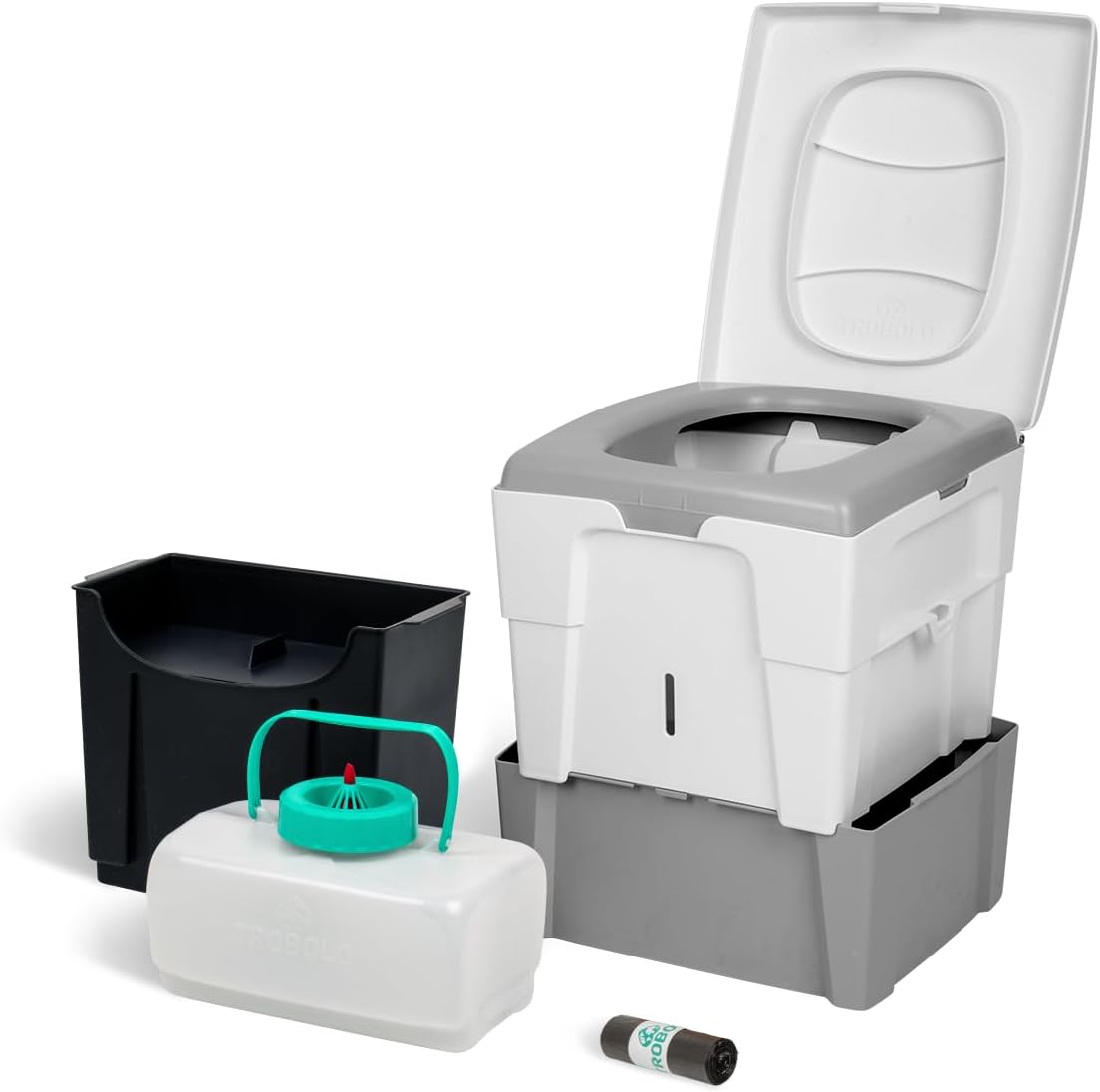
Less water, fewer chemicals
The biggest practical benefit is water saving. There is no flush tank to keep topped up, which can extend the time you can stay away from a tap. That matters in smaller campervans, where fresh water and payload are always under pressure.
Recommended Reading
Separating liquid from solids also reduces the odours associated with mixed waste. A quality unit with a well-fitted lid, effective ventilation and sensible use of dry material can be surprisingly pleasant inside a van. Some models use a small 12V fan, so check the power draw and plan for a safe electrical connection if you spend long periods off-grid.
More frequent, more involved emptying
Independence does not mean no waste management. Urine containers can fill quickly, particularly with two or more people using the toilet, and need emptying often. Solids containers last longer, but capacity depends on the toilet design, number of users and how much paper goes into the unit.
This system works best when every person on board follows the same routine. If someone forgets to sit down, misses the urine separator, or adds too much wet material, the benefits quickly disappear. For some couples this is no trouble at all. For a family with young children, it may become an unwanted holiday chore.
Disposal also needs careful thought before you set off. Urine may be emptied only where local rules allow. Solid waste must be bagged and disposed of lawfully according to the site and local authority guidance. Do not assume that a campsite will accept it in its general waste, and do not leave waste in the countryside. A composting toilet is most practical when you have a clear, responsible disposal plan for every stop.
Cost, space and installation
The purchase price of a portable chemical toilet is usually lower than that of a good separating toilet. If you already have a fitted cassette toilet, the upfront cost is effectively covered, apart from chemicals and maintenance products.
Composting toilets often cost more initially, especially models designed for fixed installation with ventilation. You may also need a vent route through the floor or sidewall, a 12V supply for the fan, and secure fixings that can cope with movement on the road. Check dimensions carefully before buying. The footprint, seat height and space needed to remove containers can be very different from a standard cassette toilet.
There is also payload to consider. A chemical toilet carries a substantial weight of liquid waste when full. A dry toilet avoids flush water and may reduce that weight, but you will still carry containers, cover material and bagged waste until it can be disposed of. Neither option makes waste disappear.
Which toilet is best for your touring style?
Choose a chemical toilet if you mainly use campsites, want the most familiar setup, travel with family or guests, and prefer one contained cassette to manage. It is the dependable choice for traditional caravan holidays, touring parks and occasional off-grid nights.
Choose a composting toilet if you travel as a couple or solo, spend extended periods away from serviced pitches, have limited fresh-water capacity and are comfortable with a more hands-on routine. It can be particularly effective in self-build campervans where the layout has been designed around it from the start.
For some owners, a portable chemical toilet is still the best backup even if the main aim is off-grid travel. It is compact, straightforward and easy to understand when a quick overnight stop calls for convenience rather than a new system to learn.
Buying checks before you commit
Before choosing either type, measure the toilet compartment and check how you will remove the waste container. Think about the number of people using it, how many nights you normally stay without facilities, and whether you are happy carrying chemicals or dry cover material.
For chemical toilets, look for a secure sealing valve, easy-to-read fill indicator, comfortable seat height and cassette access from outside where possible. For composting toilets, focus on the reliability of the separator, container capacity, lid seal, ventilation requirements and how easily every part can be cleaned.
The best toilet is the one that fits your vehicle and the way you genuinely travel, rather than the one that sounds most adventurous. A well-managed cassette toilet can keep a family holiday easy, while a thoughtfully installed composting toilet can give an off-grid campervan far more freedom. Choose the routine you will still be happy to follow on a wet Sunday morning at the end of a brilliant trip.