
3-Pack Fire Extinguishers For Caravan Motorhome Home for Multiple Fire Types
Fire safety is of paramount importance during camping, as the great outdoors presents unique risks associated with open flames and flammable materials. When engaging in activities such as cooking over an open flame, utilizing fire pits, or managing campfires, the likelihood of a fire accident increases. These activities are common in camping scenarios but can lead to catastrophic outcomes if not properly managed.
One of the notable fire risks involves cooking outdoors. Many campers often rely on portable stoves or campfires for meal preparation. An unattended flame or spillage of flammable liquids can escalate quickly, transforming an enjoyable cooking session into a hazardous situation. Moreover, even small sparks can ignite surrounding vegetation, leading to wildfires that can threaten lives and property.
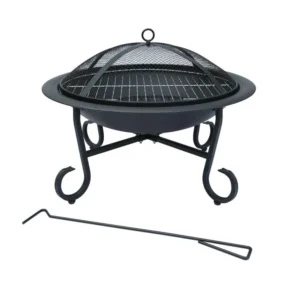
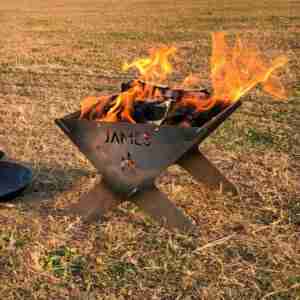
Fire pits, while providing warmth and an enjoyable ambiance, also create potential risks. Campers must ensure that fires are attended at all times and fully extinguished when not in use. Improper disposal of burnt materials, such as ashes, may spark a new flame when layered in dry ground or left unmonitored, thus necessitating vigilance.
Additionally, the use of flammable materials, such as certain fuels and fire-starting agents, should always be done with caution. These products can significantly increase the combustion potential and, if mishandled, they can ignite unexpectedly. Therefore, understanding the inherent dangers of these materials is critical for ensuring a safe camping experience.

Having immediate access to a fire extinguisher can be crucial in these situations. With the potential of small fires evolving into larger, uncontrollable blazes, a compact fire extinguisher provides a simple yet effective means of addressing these threats promptly. By being prepared and informed, campers can significantly reduce the risk of fire-related incidents and enjoy their time outdoors safely.
Features and Benefits of Compact Fire Extinguishers
Compact fire extinguishers have gained immense popularity due to their versatile applications in various settings, including homes, vehicles, and outdoor environments. Their defining characteristics primarily involve size and weight, making them an ideal choice for those who may require fire safety equipment in limited spaces. Typically lightweight and easily portable, these extinguishers allow users to handle emergencies more efficiently.
One of the most significant features of compact fire extinguishers is their ease of use. Designed with straightforward operation in mind, they often come with clear instructions and simple mechanisms that even novice users can manage quickly in high-pressure situations. The intuitive nature of these devices makes them suitable for individuals inexperienced in fire emergency responses, thus improving overall safety in various contexts.
Another advantage lies in the multitude of storage options available for compact fire extinguishers. Their small size facilitates straightforward placement in closets, under car seats, and within caravans without taking up undue space. This portability is essential for those who frequently travel or engage in outdoor activities, providing peace of mind knowing that a safety device is readily accessible without heavy burden.
In addition to practical features, the benefits of carrying a compact fire extinguisher extend to emergency preparedness. Being equipped with a fire extinguisher enhances overall safety, particularly for outdoor adventures involving cooking or campfires where accidental fires might occur. They not only serve as a pivotal first line of defense against small fires but also aid in minimizing damage and ensuring a swift response. The compact nature of these fire extinguishers uniquely positions them as essential items for anyone prioritizing safety at home, on the road, or while enjoying nature.
Types of Multi-Purpose Fire Extinguishers
Multi-purpose fire extinguishers are essential tools for combating a variety of fire hazards, particularly in home and camping environments. The most common types are classified under the A, B, and C categories, designated for different types of flames. Understanding these classifications is critical to selecting the right extinguisher for your needs.
The A-rated extinguishers are suitable for common combustibles such as wood, paper, and textiles. These are typically filled with water or foam, which cools and suppresses these types of fires effectively. For household settings, especially in garages or storage areas, an A-rated extinguisher can be indispensable.
Recommended Reading
B-rated extinguishers are specifically designed to address flammable liquids and gases, including gasoline, oil, and solvents. Common extinguishing agents for B fires include foam, dry chemical powders, and carbon dioxide (CO2). These extinguishers are crucial for kitchens, where oil fires might occur, or when using camping stoves and fuels. It is vital to remember not to use water on B-class fires, as this can exacerbate the problem.
For electrical fires, which might arise from short circuits or overloaded outlets, C-rated extinguishers contain non-conductive agents such as CO2 or dry chemical powder. It is essential to ensure that an extinguisher is clearly marked as suitable for electrical fires, as using the wrong type can pose significant risks.
Many manufacturers also offer ABC combination extinguishers, which are capable of addressing multiple types of fires. These versatile tools are particularly useful in domestic settings, enabling users to tackle different fire scenarios with a single device. Hence, when considering a fire extinguisher for home or camping use, it is advisable to select one that accommodates various fire risks for enhanced safety.
Choosing the Right Fire Extinguisher for Your Needs
Selecting the appropriate fire extinguisher is crucial for ensuring safety in both camping and home environments. Several factors must be considered, including the type of risks present, the size of the area, and how often the extinguisher may be used. Understanding these elements can help you choose effectively.
When it comes to camping, lightweight and compact fire extinguishers are typically preferred. Portable units, such as those designed for Class A and B fires, can deal with common hazards such as wood, paper, or flammable liquids. They should also be easy to carry and accessible when emergencies arise. Always assess the camping environment; for example, if cooking is involved, having a fire extinguisher rated for kitchen use is essential.
In the context of home safety, a more comprehensive assessment should be undertaken. You may want multiple extinguishers in different parts of your home, including the kitchen, garage, and near heat sources. Kitchen fires often necessitate a Class K extinguisher, which is specifically designed for cooking oils and fats. Furthermore, families with children and pets should consider user-friendly options that can be operated easily by all household members.
Another consideration is purchasing fire extinguishers in packs. This approach often results in cost savings and ensures that multiple locations in your home or campsite are sufficiently protected. Having more than one extinguisher allows for quick access in emergencies and provides peace of mind, particularly in dense residential areas or during outdoor activities.
Investing in the right fire extinguishers tailored to your specific needs not only enhances safety but also fosters a proactive stance towards fire emergencies. Thoroughly evaluating risks and considering the type and quantity of extinguishers required can lead to informed decisions that ultimately protect lives and property.